

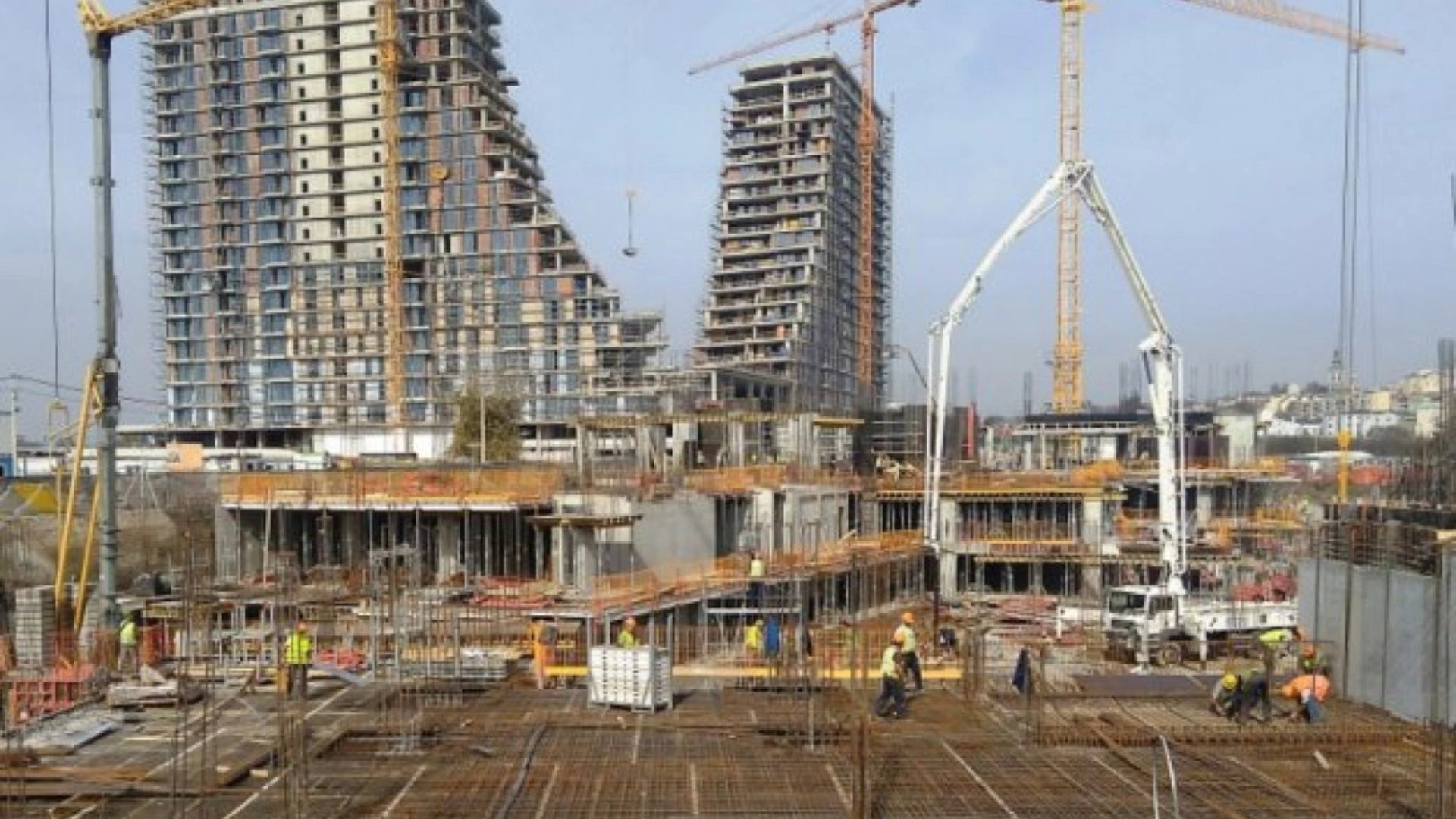
Serbia is currently witnessing an unprecedented construction boom. From the Belgrade Waterfront to the Morava Corridor motorway and the preparations for EXPO 2027, the country is transforming. Cranes dot the skyline, and infrastructure projects are attracting billions in foreign investment.
However, this growth faces a critical bottleneck: Human Capital. The local labor market in the Balkans is shrinking due to demographic shifts and the migration of local workers to Western Europe (Germany/Austria). Serbian construction companies are facing a severe shortage of masons, carpenters, steel fixers, and welders.
The solution lies in Global Recruitment. Sourcing skilled, disciplined, and experienced workforce from Asia – specifically India, Bangladesh, and Nepal – has become the strategic imperative for Serbian developers.
At DU Global, we bridge the gap between Asian talent pools and Serbian project sites. This guide explains the regulatory framework for employers.
The Legal Framework: The Law on Employment of Foreigners
Serbia has recently simplified its laws to facilitate the import of labor. The process involves two main institutions: the National Employment Service (NES) and the Ministry of Interior.
The Labor Market Test: Before hiring a foreigner, you must technically prove that no Serbian national is available for the job.
- The Process: You submit a request to the NES. If they cannot find a qualified Serbian worker within 10 days (which is common for construction roles), they issue a report allowing you to hire a foreigner.
The Recruitment Process: Sourcing from Asia
Why Asia?
- India: Known for skilled technicians, electricians, and heavy machinery operators.
- Bangladesh/Nepal: Known for hardworking general construction labor and masonry.
- Vietnam: Excellent for specialized welding and steel fixing.
DU Global’s Role: We do not just send CVs. We conduct Trade Tests in the source country. Before a welder flies to Belgrade, they have passed a physical test in our center, certified by third-party inspectors. This ensures productivity from Day 1.
The Work Permit & Visa D
For the employer, the bureaucracy is the main concern. The worker needs two things: A Visa D (Long Stay) to enter, and a Work Permit to work.
New Unified Permit (2024 Update): Serbia is moving toward a “Single Permit” system (electronic submission) to speed up the process.
- Step 1: The Employer applies for the Work Permit at the NES.
- Step 2: Once granted, the Worker applies for Visa D at the Serbian Embassy in their home country (e.g., New Delhi).
- Step 3: Upon arrival in Serbia, the worker applies for Temporary Residence.
Timeline: Previously, this took 3-4 months. With new digital systems and DU Global’s expedited processing, we aim to reduce deployment time to 45-60 days.
Employer Obligations
Hiring foreign staff comes with responsibilities.
- Accommodation: Employers typically provide accommodation (labor camps or rented apartments) and food/allowance. This is standard for the Asian workforce.
- Repatriation: You are responsible for the return ticket at the end of the contract.
- Language: Language barriers exist. We recommend hiring a “Foreman” or “Team Leader” who speaks English to act as a bridge between the Serbian site engineers and the Asian workforce.
Compliance and Safety
Avoid “Grey” Recruitment. Some agencies bring workers on tourist visas and promise to convert them. This is illegal and risky. If caught, the site can be shut down.
- Our Promise: DU Global only operates through the official Work Permit route. We ensure every worker has insurance, a contract in a language they understand, and legal status.
Case Study: Why It Works
Asian workers are often willing to work overtime (paid) and are focused on savings, leading to high retention rates and project stability. Unlike local workers who may leave for Germany at any moment, an Asian worker on a sponsored visa is committed to your project for the contract duration (usually 2 years).
Also Read:
How to Secure Your Japan Tourist eVisa