


You have a job offer in Dubai. You have the acceptance letter from the university in Italy. You have booked your flight. But one week before travel, HR asks: “Is your degree attested?” Panic sets in.
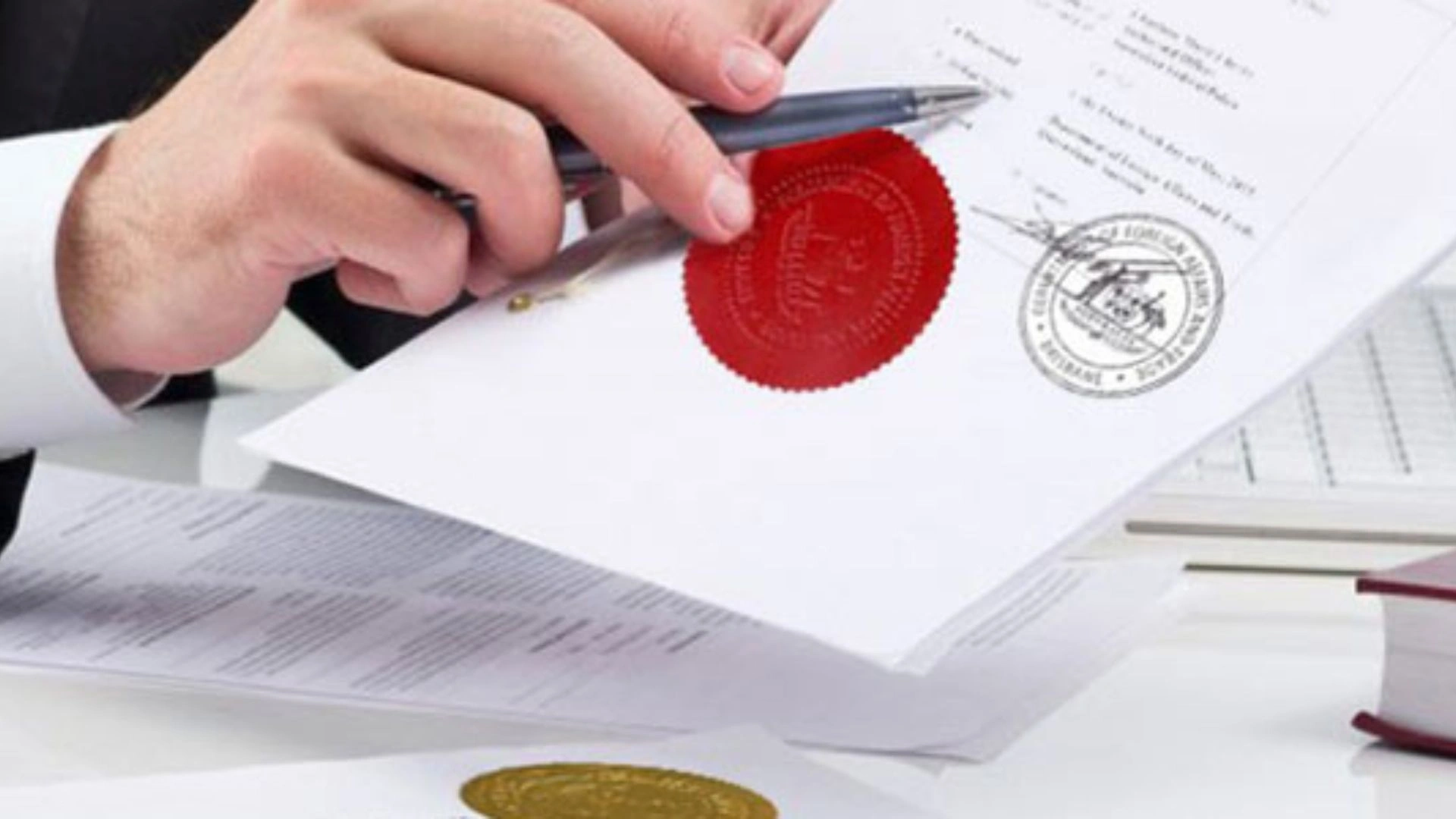
Attestation (or Legalization) is the process of verifying the authenticity of a document so it is recognized in another country. A degree issued in India, for example, has no legal value in the UAE until it has been stamped by a specific chain of government bodies.
This is the “hidden hurdle” of global mobility. It is complex, time-consuming, and bureaucratic. A single missing stamp can delay your residency visa or employment start date by weeks.
At DU Global, we manage this chain of custody for you. We take your documents from your doorstep, navigate the government corridors, and return them “ready for use.” This guide demystifies the process.
Why Is Attestation Necessary?
Governments need to know you are who you say you are.
- Employment: To prove you actually hold the degree required for the visa manager designation.
- Family Residency: To prove your marriage is legal (Marriage Certificate) and your children are yours (Birth Certificates) to sponsor their visas.
- Commercial: To prove your company is a legal entity (Articles of Incorporation) when opening a foreign branch.
The Two Pathways: Apostille vs. Embassy Attestation
The process depends entirely on where you are going.
Path A: The Hague Apostille (For Member Countries) If you are moving between two countries that are part of the Hague Apostille Convention (e.g., USA to Italy, or India to France), the process is simplified.
- The Process: You obtain a single stamp called an “Apostille” from the Ministry of Foreign Affairs (MOFA) in the issuing country.
- The Result: This document is now valid in all 100+ member countries. No embassy stamp is needed.
Path B: Embassy Legalization (For Non-Member Countries) If you are moving to the UAE, Qatar, Kuwait, China, or Vietnam (non-members), the process is longer.
- Step 1: Notary Public (Verification at source).
- Step 2: Home Department / HRD (State-level verification).
- Step 3: Ministry of External Affairs (National verification).
- Step 4: Embassy of the Destination Country (e.g., UAE Embassy in Delhi).
- Step 5: MOFA in the Destination Country (Final stamp upon arrival).
Educational Certificate Attestation
This is the most common requirement for employment visas.
- The HRD Trap: In countries like India, the degree must first be verified by the State HRD (Human Resource Department) where the university is located. If you studied in Maharashtra but live in Delhi, the document must physically go to Mumbai first.
- Sealed Transcripts: Some countries (like Canada/USA) require transcripts to be sent directly from the university in a sealed envelope, not just an attested copy.
Personal Document Attestation
- Marriage Certificates: Essential for sponsoring a spouse. The name on the certificate must match the passport exactly. If one says “Susan” and the other “Susan Jane,” you may need an affidavit.
- Birth Certificates: Essential for child school admission and visas.
Commercial Document Attestation
For businesses opening branches abroad.
- Documents: Board Resolutions, Power of Attorney, Articles of Incorporation.
- The Cost: Commercial attestation fees are significantly higher than personal document fees at embassies.
Why DIY is Dangerous
Attempting to do this yourself is a logistical nightmare.
- Logistics: You would need to travel to the State capital, then the National capital, then visit the Embassy (which often only accepts agents, not individuals).
- Risk: Documents get lost. Embassies reject documents for smudged stamps or torn corners.
The DU Global Safe-Chain
Our services.
- We pick up / collect your original documents.
- We treat these documents like passports. They are secure at every stage.
- We deliver the attested document back to you, ready for your visa application.
Don’t let a missing stamp stop your move.
Also Read: