


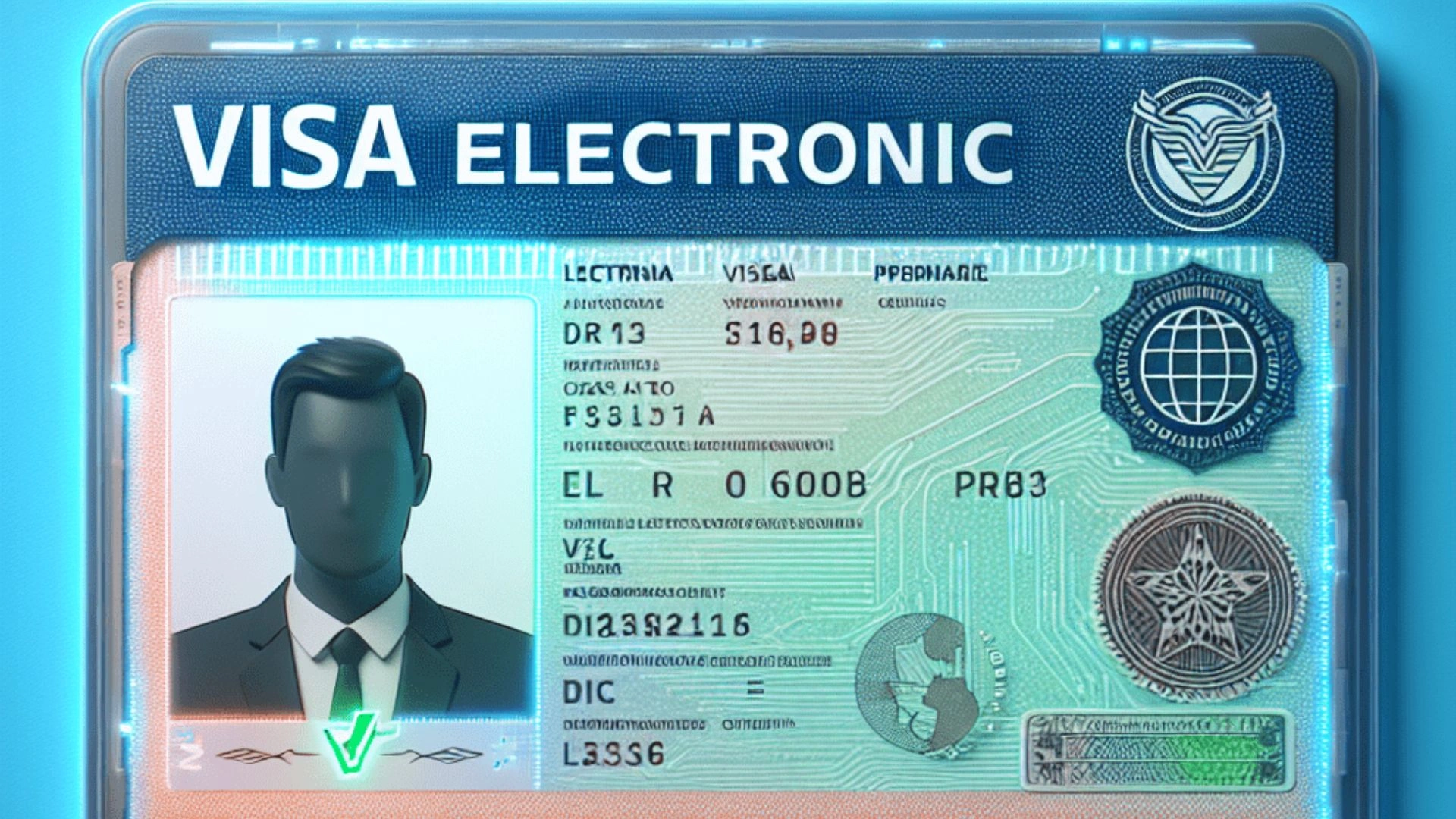
The passport stamp is disappearing. In its place, we have the eVisa (Electronic Visa) and the ETA (Electronic Travel Authorization). Countries ranging from Vietnam, Turkey, and Kenya to Australia, Canada, and the USA have moved their border controls online.
On the surface, this is a victory for convenience. No more queuing at consulates, no more surrendering your passport for weeks. You log on, upload, pay, and fly.
But there is a catch. This shift to digital has shifted the burden of accuracy entirely onto you, the traveler. In the old system, a visa officer might spot a mistake on your form and ask you to correct it. In the automated eVisa ecosystem, a computer reads your form. It does not forgive, and it does not correct.
A single digit wrong in a passport number, a name spelled “SARA” instead of “SARAH,” or a date of birth reversed – these are not minor errors. They are invalid visas. And you usually only find out at the airport check-in counter, hours before your flight.
At DU Global, we believe that while the submission method has changed, the need for human expertise hasn’t. This guide exposes the hidden risks of eVisas and how to navigate them safely.
The Typo Pandemic: Why Details Matter
The most common reason for denied boarding today is not a rejected visa; it is a mismatched visa.
Case Study: The Name Order Issue (Vietnam) Vietnam’s eVisa is notorious for this. The form asks for “Full Name.” However, different passports order names differently (Surname First vs. Given Name First).
- The Risk: If your passport reads “SMITH JOHN” and you type “John Smith” but the system expects it exactly as per the Machine Readable Zone (MRZ) logic, your visa might arrive with the names reversed. The airline will likely refuse boarding because the visa name doesn’t match the passport name character-for-character.
Case Study: The Date Format (Turkey/USA) The USA uses MM/DD/YYYY. Most of the world uses DD/MM/YYYY.
- The Risk: If you are born on November 4th (04/11) and you enter 11/04 on a form expecting the European format, you have just told the government you were born on April 11th. The visa is invalid.
The “Official Site” vs. The Scam Ecosystem
If you Google “Turkey Visa” or “ESTA USA,” the many results are often not the official government websites. They are third-party aggregators designed to look official.
- The Cost: They charge hefty fees for a visa that costs $20.
- The Danger: Many of these sites are unsecured. You are handing your passport data and credit card details to an unknown entity. Furthermore, they often don’t check your data; they just copy-paste your typos into the real system.
The DU Global Shield: When you apply through us, you are bypassing the “Wild West” of the internet. We use only official government channels. We handle the payments securely. We protect your data.
The Photo Upload Struggle
Biometric standards for eVisas are becoming stricter.
- The White Wall Selfie: Taking a photo against a white wall at home often creates shadows. Algorithms reject photos with shadows behind the ears.
- The Resolution: Uploading a high-res 10MB file often crashes the portal. Uploading a blurry 10KB file gets rejected for quality.
Our team ensures your photos meet the exact pixel dimensions and file size limits (e.g., under 300KB for India, under 1MB for others) without losing clarity.
Which Countries Are eVisa Only?
The list is growing fast. Some key destinations where we provide expert eVisa support include:
- Vietnam: Mandatory eVisa for most nationals. Strict on entry ports.
- Turkey: eVisa or sticker depending on nationality and existing US/UK/Schengen visas.
- Australia (ETA): Requires a specific app-based submission for many nationalities.
- Kenya: Recently moved to a fully digital ETA system (no more visas on arrival).
- Canada (eTA) & USA (ESTA): These are security clearances, not just visas. A mistake here can lead to a lifetime ban from automated entry.
The Role of the Human Expert
Why pay a service fee when you can do it yourself? It is a valid question. You pay for peace of mind.
When you submit an eVisa application through DU Global, it goes through a 3-Point Human Verification:
- MRZ Check: We scan the code at the bottom of your passport and match it character-for-character with the data entry.
- Eligibility Check: We verify if your passport has the required validity (usually 6 months from the date of arrival, not application).
- Port Verification: We ensure the entry point listed on your visa allows entry (some eVisas are valid for air arrival but not land arrival).
Conclusion
Travel should be about anticipation, not administrative dread. The digital revolution has made travel faster, but it has made the consequences of error more immediate.
At DU Global, we use technology to speed up your application, but we use human experts to ensure it is right. We are the safety net in your digital journey.
Also Read:
Common Mistakes to Avoid When Applying for Indian eVisa