


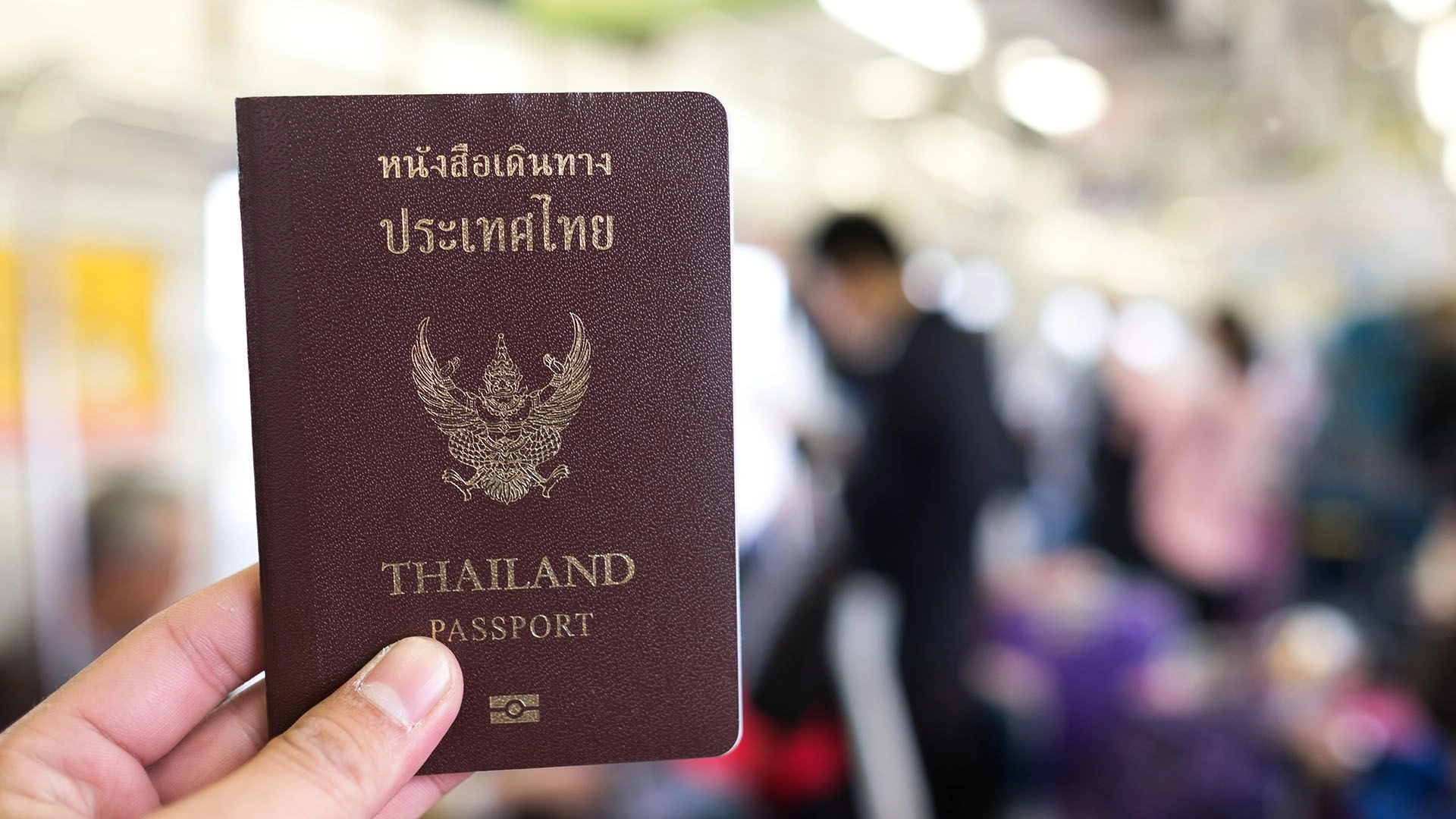
If you are hoping to buy a Thai passport fast then here’s the truth. Thailand does not offer a genuine citizenship by investment program. You can still move to Thailand by starting a business or investing money.
This lets you get a lasting visa valid for 10 to 20 years. Then you can apply for Permanent Residence and eventually apply for citizenship. This guide will explain the entire process including what you can do and the time it actually takes.
How does Citizenship work in Thailand?
Let’s first review standard rules for foreigners seeking Thai citizenship to see how investing can make it easier. The usual process is:
- Get a long-term legal visa to stay in Thailand.
- Get a Permanent Residence (PR).
- Apply for Thai Citizenship.
Main rules are that you must be an adult and have been a Permanent Resident for at least five years before you apply for citizenship. You will also need to show you have a stable income and a clean criminal record.
Most experts think the entire process from moving to Thailand to getting citizenship will take around eight years or more. Hence investing doesn’t remove these rules. But it is a secure way to get long-term visas and Permanent Residency which requires starting the waiting period.
Travel Thailand with ease! Choose DU Global for a reliable visa service.
How to live in Thailand by Investing
Many programs are wrongly called Thai citizenship by investment. But there are only a few ways to obtain lasting residency or a special investor visa. Let’s look at the main programs available.
Thailand Privilege Visa
This program is based on membership and fees. It’s not on traditional investments like buying property.
- You pay for a membership package that lets you live in the country for up to twenty years.
- Its minimum cost starts around INR 18 lakh.
- You get benefits like a long-term visa and VIP airport services. Plus, there are no strict annual stay rules.
- The central limit is that this membership does not directly lead to Permanent Residency or citizenship.
It’s the best option for investors who want an easy and comfortable way to live in Thailand while they grow their business connections.
Long-Term Residency (LTR) Visa
It lets you stay for 10 years and is designed for wealthy individuals and highly skilled workers.
- The category that matters most to investors is the wealthy global citizen group.
- You must own a minimum of USD 1 million in assets (approximately INR 8.93 crore) and invest a minimum of USD 500,000 in Thailand (approximately INR 4.46 crore) or more in Thai bonds or property.
- Benefits include a ten-year visa along with easy access to work permits and certain tax advantages.
- It’s important to remember that LTR is a temporary visa and not Permanent Residence. But it does help you build required history to apply for PR and citizenship later.
Thai Investment Visa
It is granted by investing money in Thailand’s economy.
- You must transfer at least INR 2.77 crore to Thailand.
- The investment must be put into one of three options:
- A government-approved condominium.
- A fixed bank deposit.
- Thai government bonds.
Entrepreneur and Business Routes
Such options require you to start or run a business and are not direct paths to citizenship.
- This path requires registering a Thai company and obtaining the necessary work permits.
- One major benefit is that your business succeeds and creates jobs over time. This will support your application for Permanent Residence and citizenship.
The Journey from Thai Residence to PR
You must apply for Permanent Residence if you want to get a Thai passport. And here are the requirements for PR:
- You must have continuously held the correct non-immigrant visa for at least 3 years.
- You must fit into one of the Permanent Residence categories such as:
- Investing over 2.77 crore.
- Having a job.
- Supporting a family member.
- Being an expert in your field.
- You must have no criminal record and a good history of paying taxes.
- You sometimes need to demonstrate basic knowledge of Thai language and culture.
The most crucial rule is a minimum investment of INR 2.77 crore and proof that your money is helping Thailand’s economy.
After getting PR you:
- You will not need to renew your visa every year.
- Can be officially registered as a resident in a Thai house.
- Have a much better chance of being granted citizenship later.
Flying to Thailand soon? Avoid errors and get your Thailand arrival card today with us.
Journey from PR to Thai Citizen
You can apply for citizenship after getting your Permanent Residence. And below are the requirements:
- You must have had PR for at least 5 years.
- You must be a legal adult.
- You must prove you are financially secure.
- You must not have a criminal record.
- You must be able to read and speak Thai. It is tested in an interview or by singing the national anthem.
- You must pass a points test to qualify for citizenship. Points are earned based on factors such as your income and Thai language proficiency.
Experts say that the whole process for investors from moving to getting a passport takes about 8 to 10 years. This depends on how fast you get Permanent Residence and how well you meet the language requirements.
How much do you have to invest?
We must look at three different money levels. And remember that prices and exchange rates can change. So always confirm numbers with a professional before you decide.
Case A: The Lifestyle Investor
It’s the easiest way but does not lead to citizenship.
- Fee to join the Thailand Privilege program starts at approx. INR 18 lakhs.
- You get a long-term visa for up to 20 years and special VIP services.
- It’s best if you want an easy second home and don’t want a Thai passport.
Case B: The Direct Investment Route
This path requires you to meet a minimum investment amount set by the government for PR.
- You must invest approx. INR 2.77 crore in Thailand which must be placed in bank savings or government bonds.
- It makes you eligible to apply for an Investment Visa and eventually a Permanent Residence.
- It is best if you are ready to commit the money and plan to work toward citizenship.
Case C: The LTR Visa
This ten-year visa is for wealthy people and offers special benefits related to taxes and working.
- You must prove you have assets worth more than INR 8.92 crore.
- You must invest at least INR 4.46 crore in Thai assets like bonds or property.
- This option is best for very wealthy people who want tax and work benefits of this lasting visa.
Important Legal Note:Under all investment routes (Case A, B, or C), foreigners including those applying for PR or future citizenship cannot own land in Thailand. They may invest in:
- Condos (within the foreign ownership quota)
- Long-term leased land
- Property developments structured as leasehold
Investment does not grant land ownership rights.
Need clarity about paperwork? Book a call and get expert guidance from our team.
Does Thailand allow Dual Citizenship?
Many people worry that getting a Thai passport means they must give up their original passport. But the good news is that Thai law is quite flexible and allows dual citizenship.
You don’t have to choose between your passports even when you become a Thai citizen or when a dual-citizen child turns 20. Giving up your first citizenship is generally your choice.
But remember:
- Some Thai government or security jobs may require you to have only one citizenship.
- You must also check your home country’s law as it may prevent you from keeping your first citizenship once you become Thai.
Pros and Cons of the Thai Citizenship Path
Becoming a Thai citizen is a long and rewarding process that takes effort. So, you should know both the benefits and drawbacks before starting.
Pros:
- Excellent lifestyle: Thailand offers one of Asia’s best lifestyles, affordable living costs, high-quality healthcare, warm climate, great food, and a relaxed culture.
- No visa hassles forever: Once you obtain Permanent Residence (PR) and later citizenship, you can live in Thailand indefinitely without annual visa extensions, work permit renewals, or exit requirements.
- Stronger sense of belonging: Citizenship allows you to fully participate in Thai society, open all types of bank accounts, work freely, and integrate socially without immigration restrictions.
- Expanded property rights (clarification): While even Thai PR holders cannot own land, Thai citizens can own land and other assets outright. Citizenship removes all foreign ownership restrictions and gives you full legal rights similar to any Thai national.
Cons:
- Long and strict process: There is no fast-track option. You must live in Thailand for several years, meet income and residency requirements, maintain a clean record, and show strong integration into the community.
- Slow government processing: PR and citizenship approvals are limited each year. This makes the process competitive and timelines unpredictable.
- Passport strength is moderate: A Thai passport offers good regional access in Asia but provides fewer visa-free travel options compared to European, US, or some Western passports.
Getting Thai citizenship through long-term residence or investment-linked pathways is highly rewarding if your goal is to build a life in Thailand, enjoy full Thai rights, and live without immigration restrictions.
Steps to get your Thai Citizenship
Here is how an investor can become a Thai resident:
Step 1: Choose your Visa
You must immediately decide which path you want to take like the Thailand Privilege program the Investment Visa. You then must make the required payment or investment right away.
Step 2: Live in Thailand
You must spend a significant amount of time in the country each year. You should build a record of paying local taxes and using a local bank to prove you are genuinely settling there during this time.
Step 3: Apply for PR
You can apply for Permanent Residence after living there for three or more years on a non-immigrant visa. You will apply under the Investment Category or use another qualified reason.
Step 4: Hold PR for at least 5 years
You must maintain a clean record and continue learning Thai once you have Permanent Residence. You should also prove you have a steady income during this time.
Step 5: Apply for Thai Citizenship
It’s the final step where you must prepare for the points test and official interviews. You should strongly consider hiring a trusted immigration lawyer to help you avoid mistakes.
Conclusion
Thailand is not the right choice if your only goal is to obtain a quick second passport for international travel. But if your main intention is to live in Thailand long-term, integrate into the culture, and eventually secure citizenship, then using investment pathways to reach Permanent Residence (PR) and later citizenship is a strong and reliable plan.
Permanent Residence is a major advantage because it allows you to live in Thailand indefinitely without annual visa renewals, extensions, or re-entry permits. PR holders can work more freely, register businesses more easily, purchase condominiums without foreign quotas, and enjoy greater stability. After holding PR for five years, you become eligible to apply for Thai citizenship, a process that reflects long-term commitment and genuine ties to the country.
Important Clarification:
While PR provides many benefits, PR holders still cannot own land in Thailand. Only Thai citizens can legally own land. However, PR makes long-term leasing and condo ownership procedures smoother and offers a more secure path toward full citizenship.
FAQs
Q1. Can I directly purchase Thai citizenship?
Thailand does not allow you to buy citizenship directly as you must earn it through a long process called naturalisation. It requires you to have Permanent Residence and live there continuously.
Q2. How much money should I invest to get on the citizenship path?
There is no official price to buy Thai citizenship. But you must invest a minimum of INR 2.77 crore and live in Thailand for some time to get a PR.
Q3. Does Thailand allow dual citizenship?
Yes. Thai law allows you to have two nationalities and you are not forced to give up your other citizenship at age 20. But always check both Thai rules and regulations of your home country.
Q4. Do I have to live continuously in Thailand to qualify?
You don’t have to stay in Thailand all the time to keep visas like the LTR or Thailand Privilege. But you must live in Thailand most of the time and show you have settled in with things like tax records and local connections for PR and citizenship.
Q5. How long does the entire process take from the investor to the passport?
Assume eight to ten years from the time you first started living in Thailand until you receive citizenship. It depends on when you will qualify for Permanent Residence and how quickly your application is processed.
Q6. Can foreigners or PR holders own land in Thailand?
No. Thai law does not allow foreigners including PR holders and investment-visa holders to own land. They can own condos and lease land long-term, but only Thai citizens can own land outright.
Also Read: