


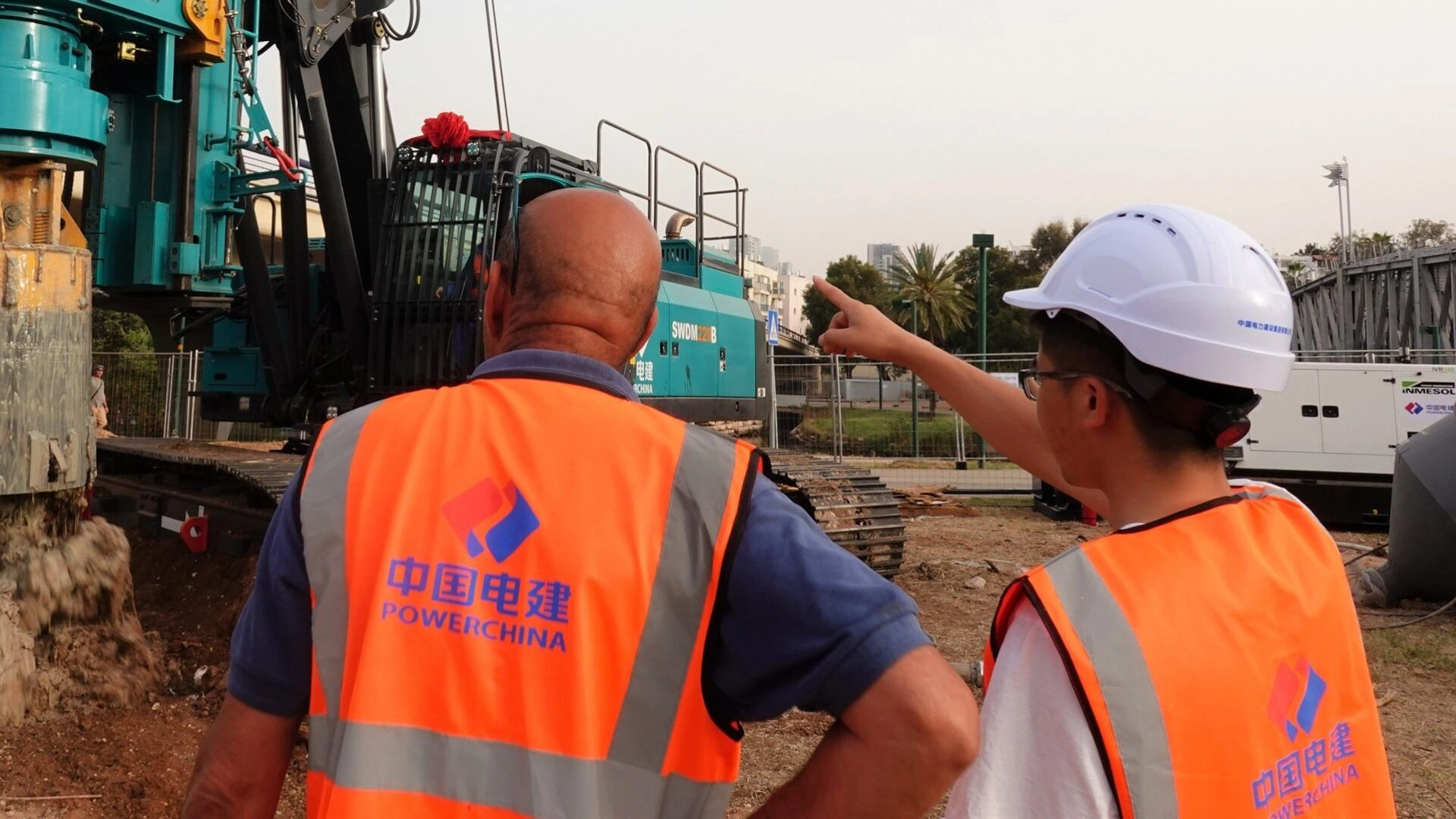
Israel is known as the “Start-Up Nation” for its technology, but its physical growth – skyscrapers, infrastructure, and industry – relies heavily on international hands.
Currently, Israel is facing a massive shortage of workers in the Construction, Agriculture, and Industrial (Factory/Warehouse) sectors. To fill this gap, the Israeli government has opened active corridors for foreign workers, particularly from India, Sri Lanka, Uzbekistan, and Thailand.
For a candidate, Israel offers some of the highest salaries for blue-collar work in the region—significantly higher than the GCC or parts of Eastern Europe. However, moving to Israel requires strict adherence to the B-1 Work Visa process.
At DU Global, we facilitate safe, legal, and transparent recruitment for candidates seeking to build a future in Israel.
Why Choose Israel? The Benefits
- High Salary: Construction workers in Israel can earn between $1,500 to $2,500 USD per month (depending on skill level and overtime).
- Labor Laws: Israel has strong labor protections. Foreign workers are entitled to minimum wage, overtime pay, and severance pay.
- Accommodation: Employers usually provide subsidized accommodation.
- Completion Bonus: Many construction contracts include a “deposit fund” (savings) that you receive in a lump sum when you finish your contract and leave Israel.
The B-1 Work Visa
You cannot work in Israel on a tourist visa. You need a B-1 Foreign Worker Visa.
- Validity: Usually issued for 1 year, renewable up to 5 years (63 months maximum).
- Employer Link: The visa is linked to a specific employer or a licensed manpower agency (Corporation). You cannot just land in Tel Aviv and look for a job.
In-Demand Roles
1.Construction (The Highest Demand)
- Roles: Ironworkers (Steel fixers), Tilers, Plasterers, Formwork Carpenters.
- Selection: You will likely have to pass a Trade Test in your home country. Israeli delegations often visit to inspect skills personally.
2. Factory & Warehouse
- Roles: Packers, Assembly line workers, CNC operators, Welders.
- Environment: Indoor, regulated shifts.
3. Agriculture
- Roles: Picking fruit, greenhouse maintenance.
- Note: Often recruited through specific bilateral government agreements (G2G).
The Recruitment Process: Step-by-Step
Step 1: Selection You apply through an authorized agency like DU Global. If shortlisted, you attend an interview or trade test.
Step 2: Medical & PCR Israel requires a clean bill of health. You will undergo checking for Tuberculosis, Hepatitis, and general fitness.
Step 3: Police Clearance (PCC) You must have a clean criminal record. A PCC from your passport office is mandatory.
Step 4: Visa Application The Israeli Ministry of Interior approves the flight. You submit your passport to the embassy in your country for the B-1 stamp.
Step 5: Fingerprinting Upon arrival at Ben Gurion Airport, you are photographed and fingerprinted. You receive your work permit card.
Safety and Security
Candidates often ask: Is it safe? Israel has areas of conflict, but economic life continues.
- Safe Zones: Most construction and industrial work takes place in central Israel (Tel Aviv, Jerusalem, Haifa), which are generally secure.
- Shelters: By law, every building and construction site in Israel must have a bomb shelter or safe room. Safety protocols are strictly drilled.
- DU Global Policy: We only place workers in zones approved by the government for civilian work. We do not place workers in active conflict zones.
Avoiding Scams
Because the salaries are high, scammers are active.
- Red Flag: Anyone asking for $5,000 or $10,000 cash upfront for a “guaranteed visa.”
- Red Flag: “Open Work Permit”—there is no such thing. You must have a designated employer.
- Our Promise: DU Global follows ethical recruitment standards. All fees (if applicable) are transparent and receipted.
Work hard, earn well, and return home with savings to build your life.
Also Read:
How to Secure Your Japan Tourist eVisa