
Cost of Living in Serbia. A Complete Guide For Expats 2026
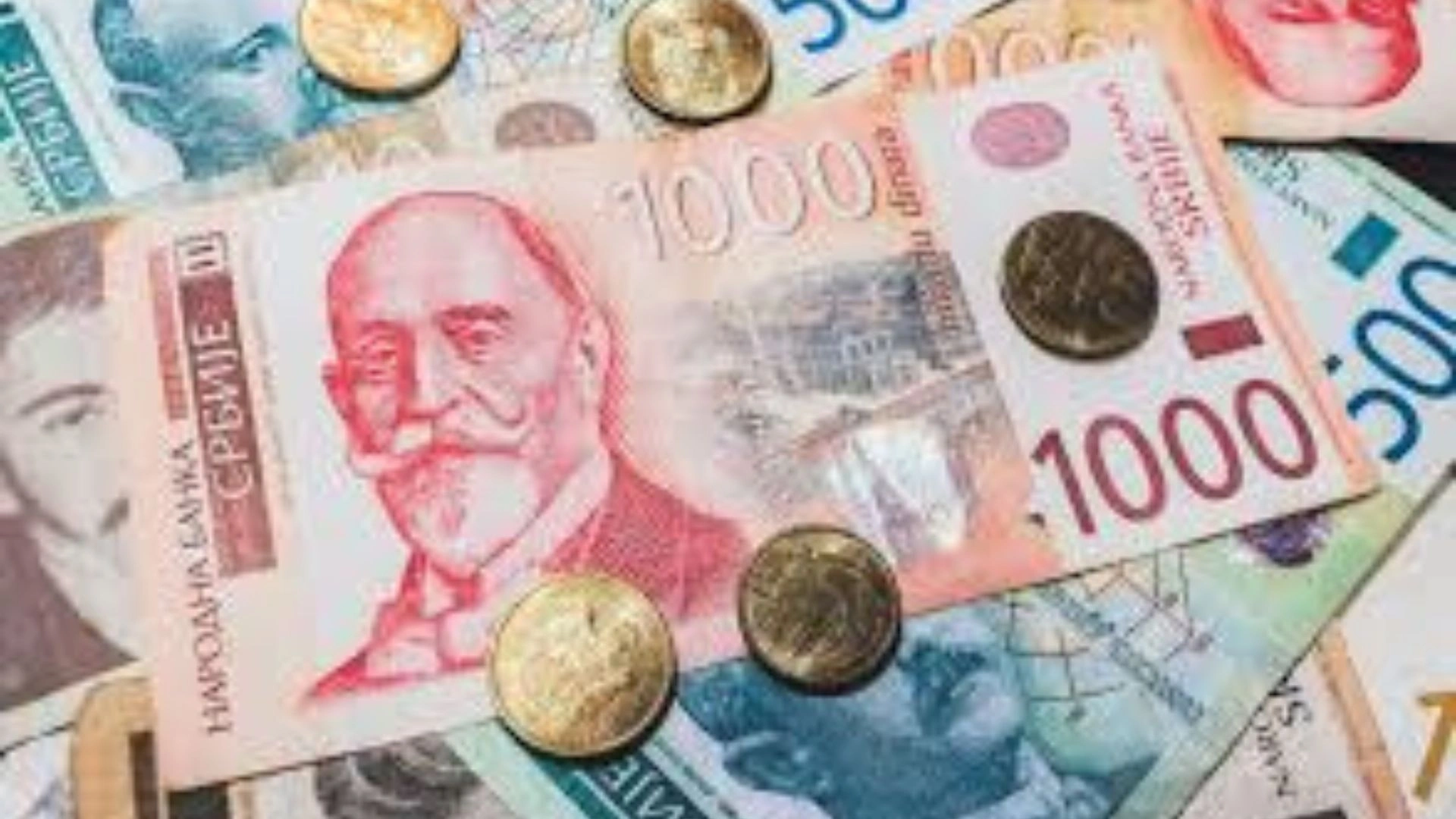
I'll be honest, when people first hear "Serbia" as a relocation destination, they often pause. It's not the first name that comes up in conversations about European expat life. But spend a little time looking into it, and the picture changes pretty fast.
Serbia has quietly become one of the more sensible moves for people who want a real life in Europe without the financial strain that comes with cities like Amsterdam, Paris, or Munich. The infrastructure is solid, the cities are livelier than most outsiders expect, and your money simply goes further.
A lot of the people making this move are coming in on a Serbia work permit visa, settling into places like Belgrade, Novi Sad, or Niš, and finding that the quality of life holds up surprisingly well against far more expensive destinations. If you're weighing a move and trying to figure out what your actual monthly outgoings would look like, this guide should give you a solid starting point.
What Is the Average Cost of Living in Serbia?
Quick Answer
The short version: a single person can live reasonably well in Serbia on somewhere between €500 and €900 a month, depending on where they settle and how they spend. Here's a rough breakdown by household type:
|
Category |
Monthly Cost (EUR) |
|
Single Person |
€500 – €900 |
|
Couple |
€900 – €1,500 |
|
Family of Four |
€1,500 – €2,500 |
|
Student |
€450 – €800 |
|
Digital Nomad |
€800 – €1,500 |
These figures account for accommodation, food, getting around, utilities, and having some kind of social life.
Belgrade tends to sit at the higher end of these ranges. Novi Sad and Niš are noticeably cheaper, and for some people, that's reason enough to look outside the capital.
Why Are So Many People Moving to Serbia?
It's a fair question. The honest answer is that it's a combination of factors that don't often line up this neatly in one place.
Housing is affordable without being a compromise. The job market, especially in tech and manufacturing, has been growing steadily. Setting up a business is straightforward compared to the bureaucratic labyrinths in some EU countries. And Serbia sits in a genuinely useful spot geographically close enough to Western Europe to be connected, but with a cost structure that feels like a different world.
The Serbia work permit visa process has also become a well-trodden path for foreign professionals in IT, engineering, construction, and hospitality. For many of them, the numbers just make sense: same or comparable earnings, but with monthly expenses that leave actual room to breathe.
Housing Costs: The Largest Part of Serbia Living Expenses
Rent will almost certainly be your biggest line item, so it's worth looking at this carefully before anything else.
Rent in Belgrade
|
Apartment Type |
Monthly Rent |
|
Studio Apartment |
€350 – €600 |
|
One-Bedroom Apartment |
€450 – €800 |
|
Three-Bedroom Apartment |
€800 – €1,500 |
Rent in Novi Sad
|
Apartment Type |
Monthly Rent |
|
Studio Apartment |
€250 – €450 |
|
One-Bedroom Apartment |
€350 – €600 |
|
Three-Bedroom Apartment |
€600 – €1,000 |
Rent in Niš
|
Apartment Type |
Monthly Rent |
|
Studio Apartment |
€200 – €350 |
|
One-Bedroom Apartment |
€250 – €500 |
|
Three-Bedroom Apartment |
€500 – €800 |
To put this in perspective: a software developer moving from Berlin to Belgrade might pay around €600 for a decent one-bedroom in a good neighbourhood. In Berlin, that same profile of apartment could easily cost €1,200 or more. That difference doesn't disappear into thin air; it shows up in your savings account.
Cost of Utilities in Serbia
Nothing dramatic here. Utility bills are manageable, though winter heating in older buildings can catch people off guard.
Typical monthly costs for a one-bedroom apartment:
- Electricity: €30–€80
- Water: €10–€20
- Heating: €30–€100
- Garbage collection: €5–€10
- Home internet: €15–€30
- Mobile plan: €10–€20
All in, expect to spend somewhere between €80 and €180 per month on utilities, leaning toward the higher end during colder months.
Food and Grocery Costs in Serbia
This is one of the areas where the difference from Western Europe is genuinely noticeable. A weekly shop in Serbia is a much less painful experience.
Average Grocery Prices
|
Item |
Average Price |
|
Milk (1 litre) |
€1 |
|
Bread |
€0.70 |
|
Eggs (12) |
€2.50 |
|
Chicken Breast (1 kg) |
€6–€8 |
|
Rice (1 kg) |
€2 |
|
Apples (1 kg) |
€1 |
|
Potatoes (1 kg) |
€1 |
|
Cheese (1 kg) |
€7–€10 |
Monthly Grocery Budget
- Single person: €150–€250
- Couple: €300–€450
- Family: €500–€800
Local markets, of which there are plenty, usually beat supermarket prices on fresh fruit, vegetables, and dairy. Worth making a habit of.
Eating Out in Serbia
Serbia has a strong café culture, and eating out regularly is something most people on a normal budget can actually do without guilt.
|
Meal Type |
Average Cost |
|
Fast Food Meal |
€5–€8 |
|
Casual Restaurant Meal |
€8–€15 |
|
Mid-Range Dinner for Two |
€30–€60 |
|
Coffee |
€1.50–€3 |
|
Beer |
€2–€4 |
Going out for dinner or sitting in a café for a few hours with friends is an everyday thing here, not a special occasion.
Transportation Costs in Serbia
Getting around is cheap and fairly straightforward in Serbian cities.
Public Transport
- Single ticket: €0.50–€1
- Monthly pass: €20–€35
Taxis
- Starting fare: €1–€2
- Average ride across the city: €3–€8
Fuel
- Roughly €1.40–€1.80 per litre, subject to fluctuation
Public transport in Belgrade is well-used and broadly reliable. A lot of residents never feel the need to own a car, especially in the city centre.
Healthcare Costs in Serbia
Healthcare is another area where Serbia compares favourably though the experience varies depending on whether you go public or private.
Public Healthcare Foreign nationals legally employed under a Serbia work permit visa typically contribute to the social security system and gain access to public healthcare through that route.
Private Healthcare Many expats prefer private clinics because waiting times are shorter. Rough costs to expect:
- General consultation: €20–€50
- Specialist appointment: €40–€100
- Dental cleaning: €30–€80
These prices are significantly lower than what you'd pay out of pocket in most of Western Europe.
Internet and Mobile Costs
Serbia's internet infrastructure is genuinely good. This matters a lot for remote workers, and the country has invested heavily in connectivity.
- Home internet: €15–€30 per month
- Mobile packages: €10–€20
- Unlimited data plans: €20–€30
Most digital nomads and remote workers report that connectivity is rarely an issue, even outside major cities.
Cost of Living in Serbia Per Month for Different Individuals
|
Expense |
Monthly Cost |
|
Accommodation |
€250 |
|
Food |
€180 |
|
Transport |
€20 |
|
Miscellaneous |
€100 |
|
Total |
~€550 |
Working Professional
|
Expense |
Monthly Cost |
|
Accommodation |
€500 |
|
Food |
€250 |
|
Utilities |
€100 |
|
Transport |
€30 |
|
Entertainment |
€120 |
|
Total |
~€1,000 |
Couple
|
Expense |
Monthly Cost |
|
Rent |
€700 |
|
Food |
€400 |
|
Utilities |
€150 |
|
Transportation |
€50 |
|
Leisure |
€200 |
|
Total |
~€1,500 |
These aren't aspirational figures, they reflect what people are actually spending.
Serbia Work Permit Visa and Living Costs
Most people arriving in Serbia for work come through the Serbia work permit visa route. Employers in sectors like IT, construction, healthcare, and hospitality are increasingly used to supporting this process for foreign hires.
When you're evaluating a job offer, it's worth looking beyond the headline salary at what else is included:
- Accommodation support
- Health coverage
- Transport allowance
- Whether family relocation is factored in
An IT professional bringing in €1,800 net per month in Belgrade, for example, can live comfortably, save meaningfully, and still have money left for travel or leisure. That same salary in, say, Amsterdam or Zurich would barely cover rent.
Comparing Serbia With Other European Countries
|
Country |
Monthly Cost for Single Person |
|
Serbia |
€500–€900 |
|
Germany |
€1,200–€2,000 |
|
France |
€1,300–€2,200 |
|
Netherlands |
€1,500–€2,500 |
|
Austria |
€1,300–€2,000 |
|
Hungary |
€700–€1,200 |
Even compared to Hungary, another affordable option in the region Serbia still comes out looking competitive.
Hidden Costs to Consider
A few things that don't always show up in the headline numbers:
- Visa and Immigration Fees: Budget for residence permit applications, document translation, legalization, and any administrative charges that come up during the process. These vary, but they're not trivial.
- Security Deposits: Most landlords will ask for the first month's rent upfront plus a security deposit of one month's rent. Factor this into what you need available before moving.
- Seasonal Utility Costs: If you're moving into an older apartment building, winter heating bills can be noticeably higher than the annual average suggests.
- Health Insurance: If you opt for private health insurance, add somewhere between €30 and €100 per month depending on the level of coverage you want.
Tips to Reduce Serbia Living Expenses
- Choose the right city: Belgrade is the most expensive option by a clear margin. If cost is a priority, Novi Sad, Niš, Kragujevac, or Subotica will serve you well and at lower cost.
- Shop at local markets: The price difference on fresh produce compared to supermarkets is real and consistent.
- Use public transport: In cities like Belgrade and Novi Sad, it's reliable enough that owning a car is genuinely optional.
- Look outside the centre: Apartments a few stops from the city centre on the metro or tram network typically cost 20–40% less for comparable space.
Is Serbia Affordable for Expats?
Without overcomplicating it: yes, it is. For people relocating from Western Europe or North America, the lifestyle adjustment is mostly financial — in a good way. Modern cities, functioning infrastructure, decent healthcare, fast internet, good food, and a social scene that's easy to plug into. The costs are a fraction of what you'd pay elsewhere in Europe for a similar quality of life.
That's why the number of people applying for a Serbia work permit visa has been climbing steadily, and why it's not just tech workers making the move it's families, retirees, students, and entrepreneurs too.
Conclusion
Serbia isn't the flashiest European destination. It doesn't have the name recognition of Germany or the romantic associations of France. What it does have is a cost of living that makes a real difference to how you live, what you can save, and how much financial pressure you're under on a month-to-month basis.
If you're moving for work, for study, for a business venture, or simply for a change of pace, understanding the actual numbers before you arrive matters. Most people find that they can maintain a comfortable standard of living here for considerably less than they were spending at home and that gap compounds over time.
If you're in the process of exploring opportunities through a Serbia work permit visa, the financial case is hard to argue with. Do the planning, know your likely monthly outgoings, and you'll arrive in much better shape.
FAQ
What is the average cost of living in Serbia per month?
For a single person, somewhere between €500 and €900, depending on the city and lifestyle.
Is Serbia cheaper than Germany?
Yes, generally around 40% to 60% cheaper across housing, food, transport, and day-to-day expenses.
Can foreigners live comfortably in Serbia?
Comfortably, yes. The combination of affordable housing, low food costs, and good urban amenities makes it genuinely workable for most expats.
Also Read:
Book a Free Consultation
Have questions? Fill out the form and our experts will get in touch.

Leave a Reply
Required fields are marked *