
Countries in Schengen Zone : Complete Travel Guide 2026
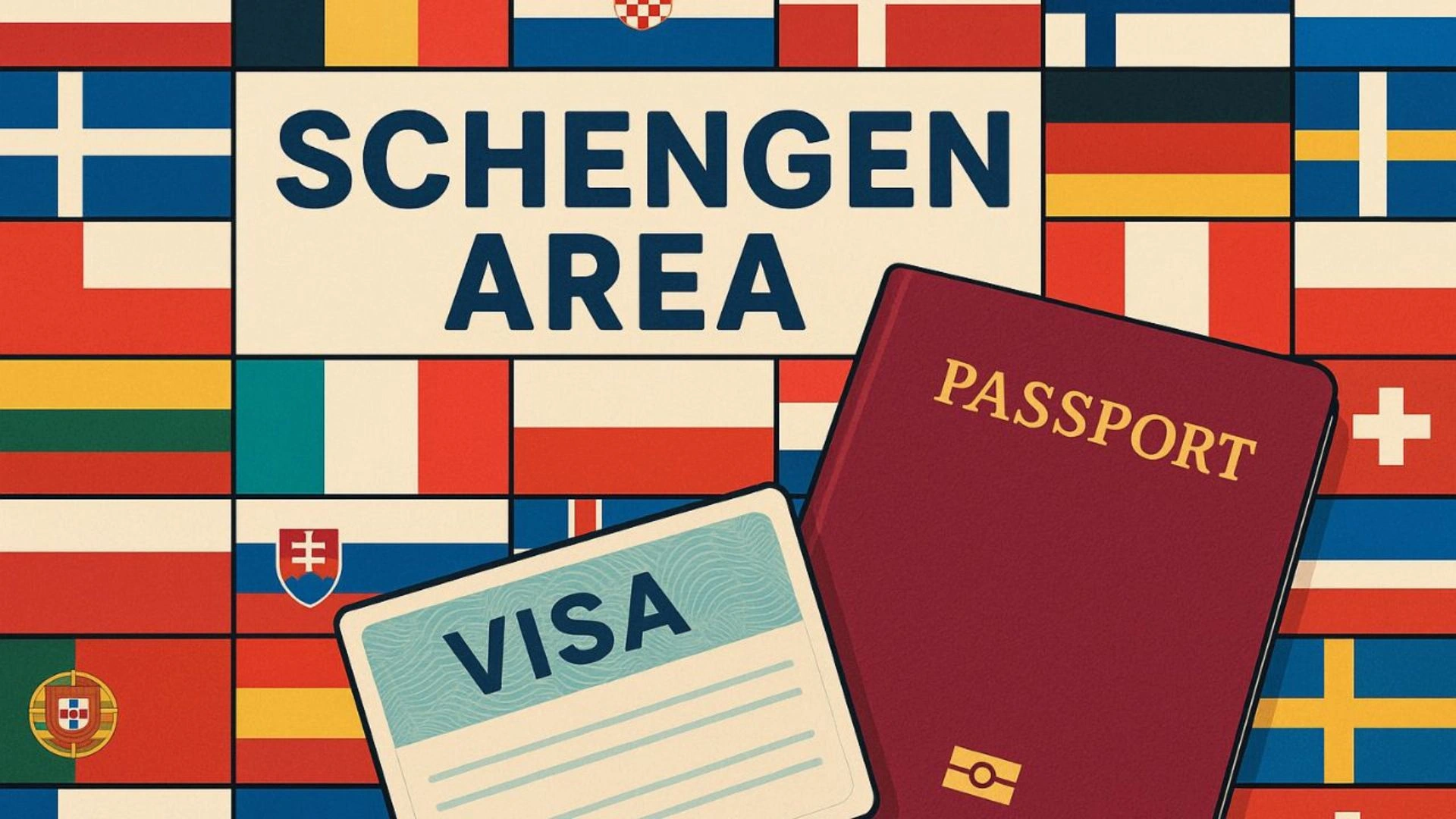
If a European trip is on your radar for 2026, one of the first things worth wrapping your head around is the list of countries in the Schengen Zone and how the whole system actually works.
According to the latest figures from the European Union, the Schengen Area is the largest border-free travel zone on the planet, letting more than 450 million people move around freely across the countries involved. Every year, millions of travelers rely on a single Schengen Visa to hop across multiple European destinations without needing separate paperwork for each one.
Here's where people often trip up: they assume the European Union and the Schengen Area are basically the same thing. They're not. A few EU countries sit outside Schengen, and a handful of Schengen countries aren't even part of the EU.
If you're planning a vacation, a business trip, a visit to family, or some kind of cultural tour through Europe, getting a handle on the countries in the Schengen Zone will save you from visa headaches and make the whole planning process a lot smoother.
Here's what this guide covers:
- The complete list of Schengen countries
- What benefits the Schengen Area actually brings
- Visa requirements
- Which countries might join down the line
- Practical tips for first-timers
- Frequently asked questions
Need Help With Your Schengen Visa? Contact DU Digital Global for expert support!
What Is the Schengen Zone?
The Schengen Zone is essentially a cluster of European countries that have done away with internal border checks between each other.
Practically speaking, this implies that you can enter another Schengen nation without being stopped to present your passport.
The Schengen Agreement goes back to 1985, signed in a small village called Schengen in Luxembourg. Since then, it's grown considerably and turned into one of the more impressive examples of countries actually cooperating across borders.
Key Features of the Schengen Area
- No routine passport checks between member countries
- A single visa covers travel to multiple countries
- Shared rules at the external borders
- One unified short-stay visa policy
- Smoother tourism and business travel overall
For travelers, the upshot is simple: land in one Schengen country, and you can explore several others without filing for a separate visa each time.
Complete List of Countries in Schengen Zone (2026)
As things stand in 2026, there are 29 countries in the Schengen Zone.
Full List
- Austria
- Belgium
- Croatia
- Czech Republic
- Denmark
- Estonia
- Finland
- France
- Germany
- Greece
- Hungary
- Iceland
- Italy
- Latvia
- Liechtenstein
- Lithuania
- Luxembourg
- Malta
- Netherlands
- Norway
- Poland
- Portugal
- Slovakia
- Slovenia
- Spain
- Sweden
- Switzerland
- Bulgaria
- Romania
Bulgaria and Romania joining the list expanded the travel network in a meaningful way and tightened up connectivity across the continent.
Ready to Apply for Schengen Visa? Choose DU Digital Global for a Smooth Process.
Countries in Schengen Zone vs European Union
A lot of travelers assume every EU member is automatically in Schengen too.
That's just not true.
EU Countries Not Fully in Schengen
- Cyprus
- Ireland
Schengen Countries That Are Not in the EU
- Iceland
- Norway
- Switzerland
- Liechtenstein
When organizing visa applications or creating your itinerary, this distinction is actually rather important.
Why Are Countries in the Schengen Zone Important for Travelers?
The biggest selling point here is plain convenience.
Picture this: you land in Paris, then make your way to Amsterdam, Berlin, Prague, Vienna, and Rome, all without going through immigration checks at any of the borders in between.
Major Benefits
- One Visa for Multiple Countries: A Schengen Visa covers travel across all participating countries for up to 90 days - 180-day window.
- Easier Trip Planning: You can string together a multi-country itinerary without filing separate visa applications for each stop.
- Reduced Border Delays: Internal border controls are basically gone, which means far less waiting around.
- Better Business Mobility: Business travelers can move between meetings and conferences in different countries without friction.
- Tourism Growth: The whole system naturally encourages more cross-border tourism.
How Does a Schengen Visa Work?
A Schengen Visa is a short-stay visa that lets you travel freely within the Schengen Area.
Standard Validity
- Up to 90 days
- Within a rolling 180-day period
Common Visa Types
- Tourist Visa: For vacations and general sightseeing.
- Business Visa: For meetings, trade fairs, and corporate visits.
- Family Visit Visa: For seeing relatives or friends.
- Medical Visa: For travel tied to medical treatment.
- Transit Visa: For specific transit scenarios.
Once it's issued, this visa typically lets you move freely across all the countries in the Schengen Zone.
Which Country Should You Apply Through?
This question comes up constantly.
Apply to the Country Where:
- You'll spend the most days
- Your main reason for traveling is based
Example
Say your itinerary looks like this:
- France – 6 days
- Italy – 4 days
- Spain – 3 days
You'd apply through France here, simply because that's where you're spending the most time. If your stays are split evenly, apply through whichever country you're entering first.
Most Popular Countries in Schengen Zone for Tourism
Some Schengen destinations pull in millions of visitors every single year.
France
Home to:
- Eiffel Tower
- Louvre Museum
- French Riviera
Without a doubt, France is still one of the world's most visited nations.
Spain
Popular for:
- Barcelona
- Madrid
- Seville
- Beaches and nightlife
Italy
Famous for:
- Rome
- Venice
- Florence
- Milan
Germany
Known for:
- Historic cities
- Castles
- Strong business opportunities
Greece
Offers:
- Santorini
- Mykonos
- Ancient ruins
- That unmistakable Mediterranean lifestyle
These spots show up again and again in multi-country European tours, for good reason.
Countries in Schengen Zone Ideal for First-Time Travelers
If this is your first trip to Europe, a few combinations tend to work especially well:
France + Belgium + Netherlands: Great for culture, history, and architecture lovers.
Germany + Austria + Switzerland: Ideal if mountains, scenic train rides, and nature are more your thing.
Spain + Portugal: A solid pick for beaches and serious food lovers.
Italy + Greece: A nice mix of history, culture, and island life.
Latest Schengen Visa Requirements for 2026
The exact requirements shift a little depending on the country, but the common documents tend to be:
Mandatory Documents
- Valid passport
- Visa application form
- Passport-sized photographs
- Travel insurance
- Flight reservation
- Hotel booking
- Financial proof
- Cover letter
- Employment or business proof
Financial Requirements
Applicants need to show they can cover:
- Accommodation
- Food
- Transportation
- Emergency expenses
Consulates genuinely look closely at financial capability before signing off on approval.
Travel Insurance Requirement for Schengen Countries
Travel insurance isn't optional, it's mandatory. The policy needs to cover:
- Medical emergencies
- Hospitalization
- Repatriation
The general minimum coverage required is €30,000. Show up without valid insurance, and your application can get rejected on that basis alone.
Can You Visit Multiple Countries with One Schengen Visa?
Yes and honestly, this is the whole point of the system.
Example Itinerary
- Day 1–4: France
- Day 5–7: Belgium
- Day 8–10: Netherlands
- Day 11–14: Germany
You can move through all of these destinations on a single Schengen Visa. No extra visas needed anywhere along the way.
Countries in Schengen Zone for Business Travelers
Business travelers lean on Schengen visas constantly for:
- Conferences
- Trade exhibitions
- Client meetings
- Corporate events
Some of the most popular business destinations include:
- Germany
- France
- Netherlands
- Belgium
- Switzerland
These countries host a lot of the major international business hubs and industry events that draw professionals from all over.
Are More Countries Expected to Join the Schengen Area?
The Schengen Area isn't static, it keeps evolving.
Potential Future Expansion
Cyprus is actively working toward becoming a full Schengen member.
Future changes could push the total number of countries in the Schengen Zone even higher.
It's always worth double-checking current membership before locking in your travel plans, since this can shift.
Common Mistakes Travelers Make
Applying Through the Wrong Embassy: Always apply through the country where you're spending the most time.
Ignoring the 90/180 Rule: Overstaying creates real penalties and can cause problems for future visa applications.
Purchasing Non-Compliant Insurance: Double-check that your coverage actually satisfies Schengen requirements before you buy.
Providing Weak Financial Proof: Solid financial documentation makes a real difference to your approval odds.
Booking Non-Refundable Trips Before Approval: Hold off on locking in non-refundable bookings until your visa actually comes through, wherever possible.
Practical Example: How a Family Uses a Schengen Visa
Say a family from India is planning:
- Paris for 4 days
- Amsterdam for 3 days
- Zurich for 3 days
- Rome for 5 days
Since Italy ends up being the longest stay, they'd generally apply through the Italian consulate.
Once they're in Europe, they're free to move between all these countries in the Schengen Zone without any extra paperwork.
That's really the whole appeal,it cuts down the admin considerably.
Tips for Visiting Countries in Schengen Zone
Book Early: Visa appointment slots disappear fast during peak travel seasons.
Maintain a Clear Itinerary: A well-thought-out travel plan genuinely strengthens your application.
Keep Copies of Documents: Carry both digital and printed versions, just in case.
Respect Visa Conditions: Stick carefully to the entry and exit rules you're given.
Monitor Passport Validity: Most countries want at least three months of validity remaining beyond your departure date.
Boost Your Approval Chances! Call Us Today to get Guaranteed Results.
Conclusion
Getting a real handle on the countries in the Schengen Zone is genuinely essential if you're planning a European trip in 2026. The Schengen Area gives travelers one of the most convenient systems in the world to move across multiple countries on the strength of a single visa, no extra applications needed.
Whether you're drawn to France's cultural landmarks, Italy's historic cities, Switzerland's mountains, or Greece's islands, the countries in the Schengen Zone make multi-country travel about as simple as it gets.
Before you apply, double-check the visa requirements, pull together strong documentation, get insurance that actually complies, and pick the right embassy based on your itinerary. Get that groundwork right, and exploring the countries in the Schengen Zone can turn into one of the more rewarding travel experiences out there.
FAQ
How many countries are in the Schengen Zone in 2026?
There are currently 29 countries in the Schengen Area, including Bulgaria and Romania.
Can I travel to all countries in the Schengen Zone with one visa?
Yes. A valid Schengen Visa generally covers travel across all the participating countries.
Is the UK part of the Schengen Zone?
No. The United Kingdom isn't part of the Schengen Area.
Is Ireland a Schengen country?
No. Ireland runs its own immigration system and stays outside the Schengen Area.
What is the maximum stay allowed?
Most short-stay Schengen visas allow up to 90 days within any 180-day period.
Do I need travel insurance?
Yes. Travel insurance with at least €30,000 in coverage is mandatory for anyone applying for a Schengen visa.
Also Read:
Book a Free Consultation
Have questions? Fill out the form and our experts will get in touch.

Leave a Reply
Required fields are marked *