
Japan Visa for Indians: Documents, Fees & Processing 2026
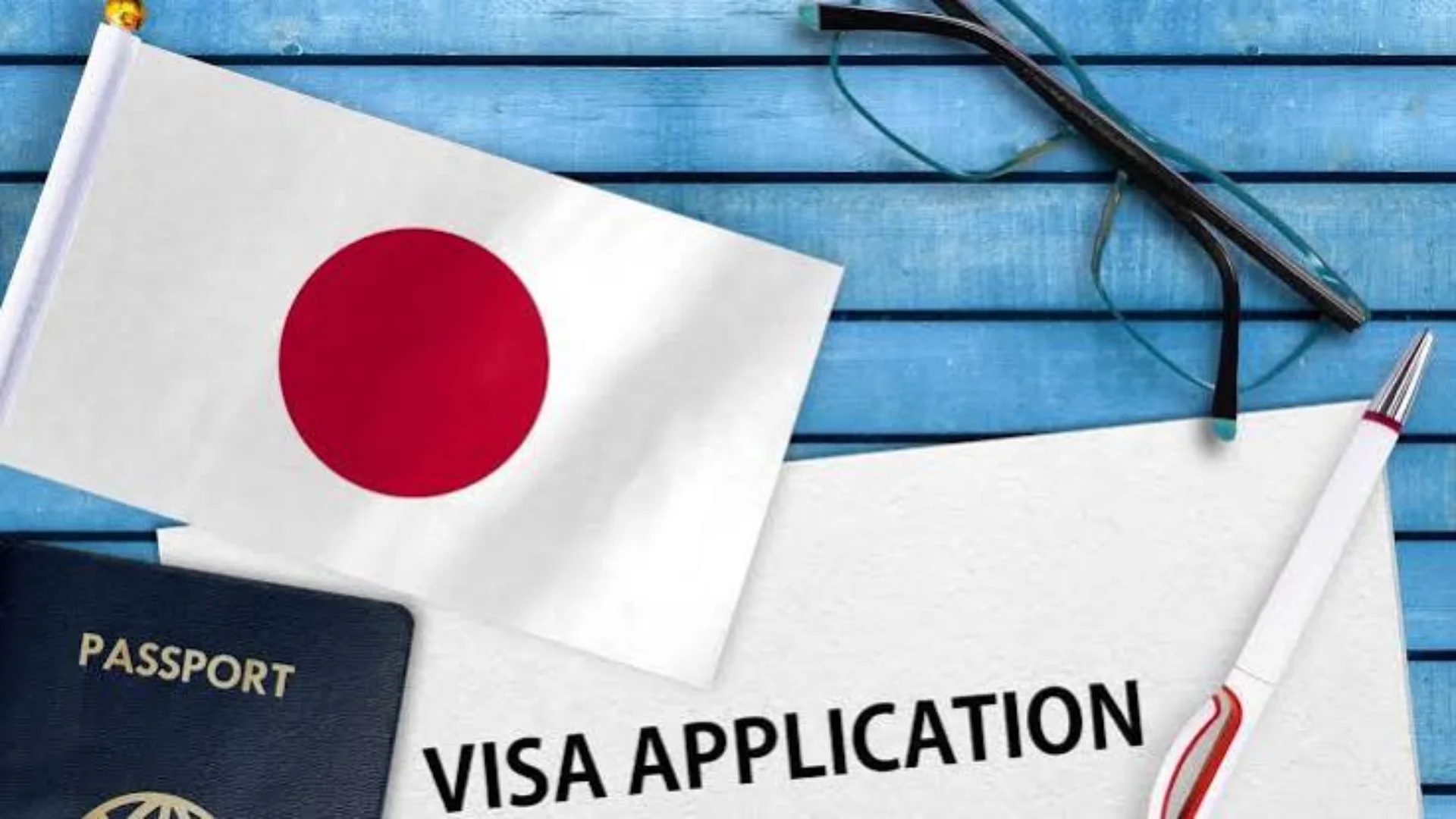
Yes, Indians need a visa to visit Japan. India isn't on Japan's 74-country visa-exemption list, so a short-stay tourist visa is mandatory before you board. Here's the part most people don't expect: a Japan visa for Indians is one of the cheapest long-haul visas your passport can buy in 2026. The consular fee is a flat 500 rupees. The catch is never the fee. It's whether your funds and your itinerary convince a visa officer you'll come home.
I've watched clean applications clear in under a week and messy ones bounce over a mismatched bank balance. This guide walks through both application routes, the exact documents, the real 2026 costs, and the mistakes that get Indians refused.
Do Indians need a visa for Japan?
You do. Japan grants visa-free short stays to 74 countries and regions, and India isn't one of them, per the Ministry of Foreign Affairs of Japan. So whether you're going for cherry blossoms in April or Tokyo in autumn, you apply before you fly. There is no visa on arrival for Indian tourists.
The visa you want is a short-term stay (tanki taizai) for tourism. It permits a stay of up to 90 days and does not allow paid work of any kind. Most Indians travel on the single-entry version, though multiple-entry visas exist and, for Indian nationals, now cost exactly the same.
Two ways to apply: JAPAN eVISA or paper via VFS Global
Since 1 April 2024, India has had access to the JAPAN eVISA. That's the online route, run directly on the Ministry of Foreign Affairs portal. You enter your details, the mission examines the application, you get the result by email, and you pay the fee online by credit card. There's no sticker in your passport. You show a digital "visa issuance notice", through Visit Japan Web, at check-in and immigration.
The Japan e visa covers tourism for up to 90 days with no remunerated activity. Eligibility conditions apply and can depend on how you book, so confirm you qualify on the JAPAN eVISA portal before you start. Some first-time or complex cases still get pointed to the paper route.
The paper route runs through VFS Global, Japan's authorised visa agency in India. You submit at a VFS centre, no prior appointment needed, and the file goes to the Embassy of Japan in New Delhi or the relevant Consulate-General. From 20 April 2026 even the Mumbai Consulate stopped taking direct submissions and moved everything to VFS. So for most Indians, VFS is where the physical application lands.
Which should you pick? If you're eligible for the eVISA and comfortable online, it's faster and you keep your passport with you while it's processed. If your case has any wrinkle, a thin bank record, a sponsor, a group booking, the VFS paper channel gives you a counter and a checklist. DU Global's Japan tourist visa desk handles both, which helps when you're not sure which lane you fall into.
Japan visa fees for Indians in 2026
This is where India got lucky. On 1 July 2026, Japan raised visa fees for the first time since 1978, up to five times higher for most nationalities. Indians were left out of the hike. A single-entry visa for nationals of most other countries now runs 8,650 rupees. A Japan visa for Indians is 500 rupees, single or multiple entry.
Here are the current numbers.
|
Fee Item |
Amount for Indian Nationals |
Notes |
|
Consular Visa Fee (Single or Multiple Entry) |
₹500 |
Effective from 1 July 2026. Previously ₹450 until 30 June 2026. |
|
Transit Visa |
Not Available |
Japan abolished the transit visa in 2026. |
|
VFS Global Service Fee |
Approx. ₹800 per application |
Check the latest service fee on the VFS website before applying. |
|
Typical Total Cost |
Approx. ₹1,300 |
Includes the visa fee and VFS service fee, excluding optional services such as courier, SMS alerts, or premium lounge. |
|
Standard Fee for Most Non-Indian Applicants (For Comparison) |
₹8,650 (Single Entry)₹17,350 (Multiple Entry) |
Demonstrates the significantly lower visa fee available to Indian nationals. |
One thing worth knowing: the consular 500 rupees is refunded if your visa is refused, but the VFS service fee is not. Pay by cash, card or UPI at the centre, depending on location. Always cross-check the live amount on the Embassy of Japan and VFS pages before you go, because the 450-to-500 change is recent and older blogs still quote the old figure.
Documents you need for a Japan tourist visa
The core list for a self-funded tourist with no guarantor is short. From the VFS document checklist and the MOFA tourism checklist, you need:
-
A valid passport with at least two blank pages, plus any old passports.
-
A photocopy of the passport bio-data page.
-
The visa application form, filled and signed.
-
One recent photograph, taken within six months, white background. Japan's format is 45x45 mm; confirm the exact size for your centre.
-
Your flight or cruise schedule to and from Japan, showing dates and flight numbers.
-
A day-by-day itinerary in Japan, with hotel names, addresses and contact numbers.
-
Your latest Income Tax Return. If you don't have it, a bank statement for the last six months.
Students and dependents add a consent letter from a parent or spouse, plus that person's ITR or six-month bank statement. If a dependent travels with you, carry proof of relationship: a marriage or birth certificate, or a passport copy.
A covering letter isn't strictly mandatory, but I recommend one whenever your case needs explaining, a career break, a gap in tax filings, a friend hosting you. Keep it short and factual.
Now, the guarantee. You'll spot "letter of guarantee" on Japan's forms and panic. Don't. It only applies when someone in Japan invites you or covers your costs, or when you're visiting friends and relatives. A standard self-paying tourist doesn't file one. If a company or a host in Japan is sponsoring you, they prepare a letter of guarantee, an invitation letter, and proof of their own funds. Note that all Japan-side and Indian supporting documents must have been issued within the last three months.
Why proof of funds and a clear itinerary decide your case
Two documents carry most of the weight: your money trail and your plan. Get these right and the rest is admin.
On funds, Japan asks for proof of your ability to pay travel expenses. That's the official wording. There's no published minimum balance, whatever a random blog tells you. What officers actually want is consistency: a six-month statement with a steady balance, salary or business credits landing on schedule, and no suspicious lump sum parked days before you applied. A 2 lakh balance that appeared last Tuesday reads worse than a modest account that's been healthy all year.
On the itinerary, be specific. Japan's own form literally asks you to list, date by date, where you'll be, what you'll do, and where you'll sleep. "Sightseeing in Tokyo" for seven days" is a red flag. "Day 3: Kyoto, Fushimi Inari, Gion, overnight at [hotel name]" is what is clear. You don't need paid, non-refundable bookings at the application stage; Japan explicitly says reservations aren't required upfront. But the plan has to be coherent and match your flight dates.
Processing time and how long the visa lasts
Plan for about a week. Japan's Ministry of Foreign Affairs states processing takes five working days from the day after the application is received, assuming nothing needs a second look. In practice, five to seven working days through VFS is a safe expectation, since handling adds a day or two on each side. During peak season, spring blossoms and autumn leaves, volumes spike and it stretches.
If the mission has doubts and refers your file to Tokyo, issuance can take more than a month. That's the real reason to apply early. You can lodge an application up to three months before travel, and I'd use that window rather than cutting it fine.
On validity: a single-entry short-term visa generally has to be used within three months of issue, and the stay granted at the airport is up to 90 days. Multiple-entry visas for Indians run longer and let you hop in and out across the validity period. Check the exact validity printed on your visa, since it's set case by case.
Common Japan visa rejection reasons
Refusals rarely come out of nowhere. After enough cases, the same handful of causes repeat. The leading Japan visa rejection reasons for Indians are:
Weak or inconsistent funds. A balance that doesn't support the trip, or a sudden deposit that looks staged.
A vague itinerary. No day-wise plan, or dates that don't match the flights.
Document mismatches. Names, dates or employment details that differ across your form, passport and statements.
Unclear intent to return. Thin ties to India, no stable job, business or family anchor, makes an officer worry you won't come back.
Incomplete paperwork. A missing ITR, an unsigned form, an expired document, a photo in the wrong size.
Past immigration issues. Overstays or refusals, in Japan or elsewhere, that you didn't disclose or explain.
Japan doesn't tell you why you were refused; the mission won't give a reason, by policy. And a refusal can make the next application harder. That's exactly why it pays to get the file right the first time rather than reapplying blind.
Get your Japan visa filed right the first time
If you take one thing from this, take this: the Japan visa for Indians is cheap and quick, but it's unforgiving of a sloppy file. Money that tells a clean story, an itinerary that reads like a real trip, and documents that agree with each other. That's the whole game.
That's where a facilitator earns its keep. DU Global (DU Digital Global), an NSE-listed, government- and embassy-authorised visa company that has processed over 1.8 million applications across 35-plus offices, runs a dedicated Japan tourist visa desk for Indians. The team checks your funds and itinerary before submission, flags the gaps that trigger refusals, and files through the right channel, eVISA or VFS, for your case.
Start with DU Global's Japan tourist visa page, run your papers against the DU Global visa checklist, or apply for any visa online to get your Japan trip moving. Book early, keep your documents consistent, and Japan stays one of the easier stamps an Indian passport can earn in 2026.
FAQs
Do Indians need a visa to visit Japan in 2026?
Yes. India is not on Japan's visa-exemption list, so every Indian tourist needs a short-term stay visa before travelling. There is no visa on arrival.
How much is the Japan visa fee for Indians?
500 rupees is the consular fee for a single or multiple-entry visa, effective 1 July 2026. Add the VFS Global service charge of around 800 rupees, and the typical all-in cost is about 1,300 rupees. Confirm live figures on the Embassy of Japan and VFS pages.
Can Indians get a Japan e visa?
Yes. The JAPAN eVISA has been available in India since 1 April 2024 for tourism stays of up to 90 days. You apply online, get the result by email, pay by card, and show a digital issuance notice at the airport. Check eligibility on the official eVISA portal first.
How long does a Japan tourist visa take?
About five working days from the day after your application is received, per Japan's MOFA. Realistically five to seven working days through VFS. It can exceed a month if the case is referred to Tokyo, so apply up to three months ahead.
How much bank balance is needed for a Japan visa?
There is no official minimum. Japan asks for proof that you can cover the trip, so show a steady six-month statement with regular income and no last-minute lump sums, alongside your ITR.
What are the most common Japan visa rejection reasons?
Weak or inconsistent funds, a vague itinerary, mismatched documents, unclear intent to return, incomplete paperwork, and unresolved past immigration issues. Japan won't state a reason for refusal, so accuracy upfront matters most.
Book a Free Consultation
Have questions? Fill out the form and our experts will get in touch.

Leave a Reply
Required fields are marked *