
Top Reasons for Immigration Queues at Airports Explained
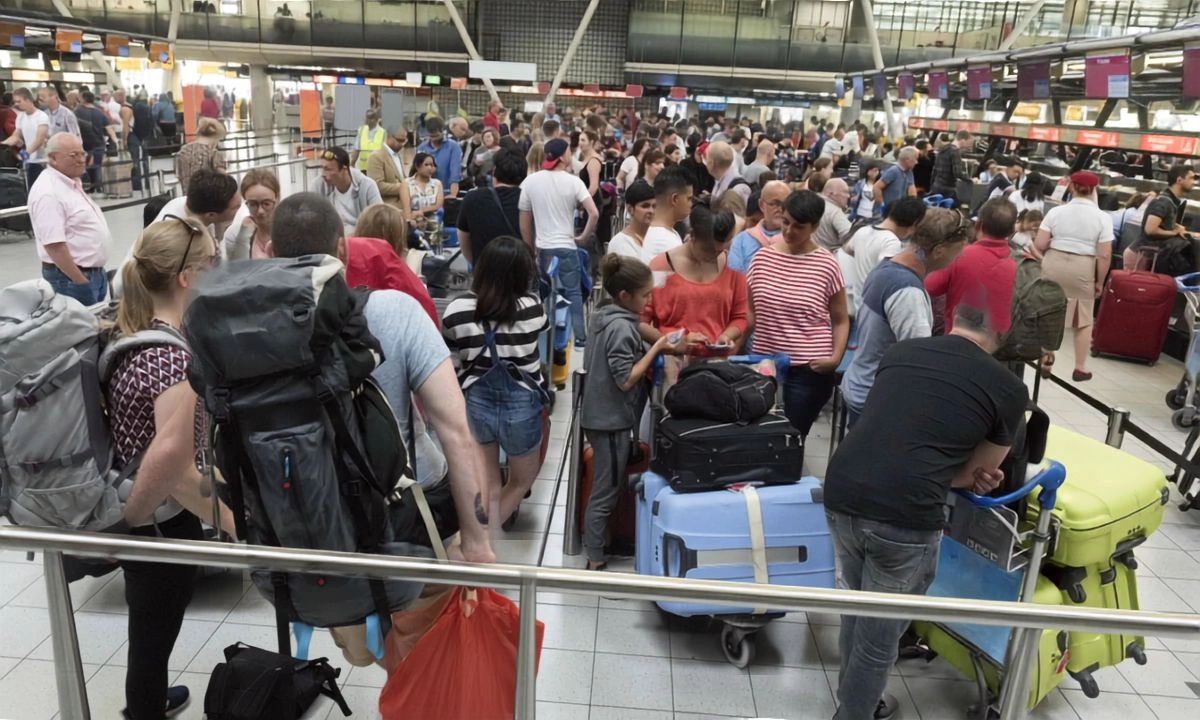
International travel has never been easier to book, but there's one thing that still trips people up every single time the immigration line. Whether you've just landed for a holiday, a business trip, or to see family, standing in a slow-moving queue after a long flight is exhausting. Knowing the actual reasons for immigration queues at airports can help you plan around them and cut down on the wasted time.
The numbers back up just how big this problem has gotten. The International Air Transport Association (IATA) has reported that global passenger traffic has bounced back strongly and keeps climbing year on year, with airports worldwide now moving billions of passengers annually.
Airports Council International (ACI World) has flagged similar trends, noting record passenger volumes at many international airports, especially around holidays and major global events. Airports keep pouring money into automation and digital border systems, yet immigration counters remain one of the most congested checkpoints for anyone flying internationally.
Ever wondered why one airport clears you in 15 minutes while another has you standing around for two hours? You're definitely not the only one asking. It’s usually a mix of passenger volume, staffing, security procedures, paperwork, and whatever rules the destination country happens to be enforcing.
This guide breaks down the real reasons for immigration queues at airports, walks through how the process actually works behind the counter, and shares some practical tips on how to avoid them so your next arrival goes a bit smoother
What Is the Airport Immigration Process?
Before getting into why lines form, it helps to understand what's actually happening once you land.
The airport immigration process is simply the official check every country runs to confirm arriving travelers are legally allowed in. In most places, it looks something like this:
- Join the normal or fast-track immigration queue, depending on your eligibility.
- Hand over your passport and travel documents
- Have your visa or travel authorization checked
- Go through identity or biometric verification, if required
- Answer a few questions about why you're visiting
- Get your passport stamped or cleared digitally
- Head to baggage claim and customs
Sounds simple enough on paper, but every single traveler has to go through these steps which is exactly why things slow down when a lot of people show up at once.
Why Are Immigration Queues Becoming Longer?
Travel volumes have shot up over the last few years. More tourists, more business travelers, more students, more workers crossing borders than ever before.
Airports have expanded terminals and upgraded facilities to keep pace, but immigration departments are still dealing with:
- Higher passenger numbers
- Tighter security requirements
- Staffing that hasn't always kept up
- More document checks per traveler
- Health screening during certain periods
- Flights that all seem to land at once
Put all of that together, and even airports with modern setups can still get bottlenecked at passport control.
Top Reasons for Immigration Queues at Airports
There's rarely just one culprit behind a long line usually it's a handful of factors stacking on top of each other. Here's what tends to cause the most delay.
1. High Passenger Volume
The simplest reason of all: too many people arriving at the same time. Big international airports often schedule dozens of flights within a narrow window, so when several wide-body aircraft touch down within minutes of each other, thousands of passengers hit immigration all at once.
Think:
- Morning arrival banks
- Evening international arrivals
- Holiday travel windows
- Long weekends
- Big sporting or cultural events
Even a well-run immigration hall struggles to move that many people through quickly.
2. Peak Holiday Seasons
Travel demand spikes hard during:
- Christmas
- New Year
- Summer break
- Eid
- Chinese New Year
- School holidays
Airports run near full capacity during these windows and families traveling with kids, first-timers, and larger tour groups often need extra help at the counter, which slows the whole line down.
3. Increased Security Checks
Border security isn't what it used to be, it's tightened up considerably worldwide. Depending on where you're landing, officers may be running through:
- Passport authentication
- Visa verification
- Biometric fingerprint scans
- Facial recognition
- Criminal database checks
- Watchlist screening
- Travel history review
All of this matters for national safety, obviously, but it does add time, especially if anything triggers a closer look.
4. Not enough immigration staff
There simply aren’t enough officers working to handle the volume of passengers arriving.This can be caused by:
-
Shift changes
-
Budget constraints
-
Staff calling in sick
-
Flight delays disrupting scheduling
Seasonal surges that nobody quite planned for losing even a couple of officers from the counter can make a noticeable difference in slowing things down when thousands of people are waiting
5. Document Verification Issues
Not everyone walks in with clean and simple paperwork. If someone has:
- An incorrect visa
- More than one passport Missing documents
- A passport close to expiry
- Residency permits to check
- A complicated travel history
- Officers may need a little extra time.
One passenger needing a few extra minutes doesn’t sound like much, but it adds up quickly when there’s a long line behind them.
6. First-Time Travelers
A lot of international travelers just haven't done this before, and it shows. Common hiccups include:
- Filling out arrival forms wrong
- Digging through bags for documents at the counter
- Language barriers
- Not knowing their visa requirements
Officers usually take the time to help them through it, which is the right call, but it does stretch out the line.
7. Manual Processing Instead of eGates
Plenty of countries now offer automated eGates using biometrics, but not everyone qualifies to use them. Manual counters are still required for:
- First-time visitors
- Certain visa types
- Children
- Travelers from specific countries
- Anyone flagged for extra screening
Where eGates are limited or unavailable, the manual line ends up carrying the load.
How Immigration Officers Process Travelers?
Most people assume the officer just glances at your passport and stamps it. In reality, there's a fair bit going on behind that counter in a very short window. They're typically:
- Confirming the passport is genuine
- Checking your visa is valid
- Reviewing any entry restrictions
- Looking at your travel history
- Confirming why you're visiting
- Making sure everything lines up with immigration law
Since every country runs its own version of these checks, how long each passenger takes can vary a lot.
8. Multiple Flights Arriving at the Same Time
Airlines build their schedules around connecting routes and airport slots, and that often means several international flights land within a short stretch of each other. Picture five wide-body planes touching down inside 30 minutes, each one carrying 250 to 400 passengers. That's easily 1,500-plus people hitting immigration almost simultaneously.
Even airports with plenty of counters struggle to absorb that kind of surge without a backup forming.
9. Additional Screening for Selected Passengers
Sometimes a traveler gets pulled aside for secondary inspection. Reasons can include:
- Random security selection
- Incomplete documents
- Previous immigration issues on file
- A name match in a security database
- Extra visa checks
- Follow-up questions about the trip
This only affects a small slice of passengers, but it still eats into officer time and slows the overall flow.
10. Technical System Delays
Immigration now runs heavily on digital infrastructure. Officers pull from secure databases to check:
- Passport authenticity
- Visa status
- Entry permissions
- Watchlists
- Travel history
- Biometric records
If those systems slow down or go offline temporarily, everything behind the counter takes longer, even with backup procedures in place.
11. Health and Biosecurity Checks
During periods of heightened public health concern, some countries add extra screening steps, such as:
- Health declarations
- Proof of vaccination
- Temperature checks
- Digital arrival forms
These measures exist for good reason, but they do stretch out the process a bit.
12. Travelers Not Prepared at the Counter
This one's more common than people realize passengers reaching the desk and then digging through bags for:
- Their passport
- Boarding pass
- Arrival card
- Hotel booking
- Return ticket
- Visa paperwork
Even a one-minute delay per passenger snowballs fast when there are hundreds of people queued up behind them.
How Technology Is Improving the Airport Immigration Process?
Governments around the world are pouring resources into tech that can ease congestion and tighten security at the same time.
Automated eGates
Eligible travelers can scan their own passport, go through facial recognition, and skip talking to an officer entirely. For frequent flyers, this cuts waiting time dramatically.
Biometric Verification
Facial recognition and fingerprint scanning let airports confirm identity fast and accurately, cutting down on manual checks while actually improving security.
Digital Arrival Forms
Plenty of countries have ditched paper arrival cards for online declarations, filled out before or during the flight, so officers can review the info before you even reach the counter.
AI-Assisted Border Management
Some immigration authorities are experimenting with AI to analyze passenger data, flag potential risks, and manage queue flow. Officers still make the final call, but the tools help things run more smoothly behind the scenes.
Real-World Example: Why Wait Times Differ Between Airports
Take two travelers landing on similar international flights.
Traveler A Arrives at a modern airport with automated eGates, during a quiet travel period, with all their documents ready and eligible for biometric passport control. Clears immigration in roughly 15 to 20 minutes.
Traveler B Lands during a major holiday, alongside several other international flights, has to use a manual counter, and gets flagged for additional document verification. The same process stretches past an hour.
Neither traveler did anything wrong — the difference comes down to operational factors, not efficiency on anyone's part.
Tips How to Avoid Them
You can't control how an airport runs its immigration hall, but there are still real tips on how to avoid them that can shave meaningful time off your wait.
Arrive with Complete Documentation
Keep everything together before you land:
- Passport
- Visa or travel authorization
- Boarding pass
- Hotel confirmation
- Return ticket
- Any supporting documents you might need
Having it all ready before you reach the counter makes the whole thing faster.
Complete Digital Forms Before Arrival
If your destination requires an online arrival declaration or electronic travel authorization, fill it out before you fly whenever you can. It saves real time once you land.
Choose Flights That Arrive During Off-Peak Hours
Early morning and late evening arrivals tend to be the busiest. If your schedule allows it, aim for flights landing during quieter windows.
Use eGates If Eligible
If your passport qualifies for automated passport control, use it. The time savings are usually significant.
Follow Airport Instructions
Pay attention to signage and announcements. Getting into the right lane from the start avoids delays you'd otherwise cause yourself.
Be Honest and Clear During Immigration Questions
Officers may ask about your visit's purpose, how long you're staying, where you're staying, and your return plans. Answering clearly and honestly is the fastest way through.
Common Mistakes That Increase Waiting Time
Travelers sometimes slow the line down without even realizing it. Watch out for:
- Packing your passport in checked luggage
- Filling out arrival forms incorrectly
- Standing in the wrong lane
- Forgetting supporting documents
- Waiting until you're at the counter to organize paperwork
- Not checking entry requirements before you leave
A few minutes of prep before landing saves far more time once you're on the ground.
Does the Airport Immigration Process Differ by Country?
Yes, quite a bit actually. The core purpose is the same everywhere confirm you're allowed in — but every country runs its own version of the process. For example:
- Some countries let eligible travelers skip straight to fully automated eGates
- Others require every visitor to speak with an officer
- Some destinations require electronic travel authorization ahead of time
- Some ask for proof of accommodation, return tickets, or enough funds to cover your stay
This is actually one of the bigger reasons for immigration queues at airports — the process just isn't standardized, and how complex it is depends entirely on the destination's own laws and security policies. Always check the latest entry requirements through official government sources before you travel.
What Happens During Secondary Immigration Inspection?
Getting pulled for secondary inspection can feel alarming, but it doesn't automatically mean something's wrong. Officers might send you there to:
- Clarify your travel plans
- Verify supporting documents
- Confirm your visa conditions
- Run a random security check
- Sort out a discrepancy in your records
You might get asked more questions or be asked to show things like hotel reservations, an invitation letter, employment details, your return flight, or proof of funds. How long it takes varies case by case — staying calm, cooperative, and honest usually keeps things moving.
Practical Tips for Different Types of Travelers
For First-Time International Travelers
If this is your first trip abroad:
- Read up on your destination's immigration requirements beforehand
- Keep every travel document in one folder
- Fill out required forms before landing, not after
- Pay attention to airport signage
- Listen for announcements from airline staff
A little preparation goes a long way toward reducing stress here.
For Families Traveling with Children
Families often need more time simply because officers check documents for every family member. It helps to:
- Keep all passports together
- Bring birth certificates if your destination recommends it
- Prep kids' travel documents ahead of time
- Use family lanes where they're available
For Business Travelers
Tight schedules mean every minute counts. Worth doing:
- Book flights landing during off-peak hours
- Enroll in trusted traveler or fast-track programs if you qualify
- Keep invitation letters and meeting details handy
- Make sure your visa actually matches the purpose of your trip
The Future of Airport Immigration
Border control is only getting faster as new tech rolls out. A few things worth watching:
- Contactless Immigration: Passengers moving through checkpoints via biometric verification with barely any physical contact needed.
- Digital Travel Credentials: Some governments are testing secure digital identities that could cut down on repeated document checks altogether.
- Artificial Intelligence: AI systems that predict passenger flow, help manage queues, and flag higher-risk cases while letting everyone else move through faster.
- Expanded Biometric Programs: Facial recognition and fingerprint checks becoming the norm rather than the exception, reducing how much manual document checking is needed.
All of it points toward border control that's both tighter on security and easier on the average traveler.
Final Thoughts
Standing in a long line at passport control after an already long flight is never fun, but understanding the reasons for immigration queues at airports at least sets realistic expectations and gives you something to plan around.
The airport immigration process is really trying to balance two things at once: protecting the border and still letting legitimate travelers through without unnecessary friction. As passenger numbers keep climbing worldwide, airports and governments keep investing in biometric verification, automated eGates, and digital travel documents to keep things moving.
You can't avoid delays altogether, but smart planning genuinely helps. Arriving with your documents in order, checking entry requirements ahead of time, using automated options where you qualify, and picking flights during quieter periods are some of the most effective tips on how to avoid them.
Whether you're flying internationally for the first time, doing it every month for work, or somewhere in between, being prepared is still the best way to spend less time in line and more time actually enjoying why you traveled in the first place.
FAQ
- .What are the main reasons for immigration queues at airports?
Usually a combination of: large number of passengers, multiple international flights arriving in a short period of time, security and biometric checks, limited staff, document checks, technical delays and secondary inspections. It’s generally a combination of a few of these happening at the same time rather than just one.
- What is the usual immigration process time at the airport?
There's no fixed answer. Quieter airports might clear you in 10 to 20 minutes, while peak travel periods or major holidays can push that past two hours. It really depends on passenger traffic, staffing, and the specific procedures at your destination.
- What are the best tips on how to avoid them?
A few that actually help: travel during off-peak periods when you can, keep your documents organized and within reach, fill out online arrival forms before your flight, use eGates if you're eligible, get in the correct queue the first time, and answer officers' questions clearly and honestly. You won't eliminate the wait entirely, but you can cut it down noticeably.
- Can immigration officers refuse me entry even if I have a visa?
Yes. A visa gets you to the border but the final decision to allow you in is made by immigration officers after they review your documents and confirm you meet all entry requirements.
Also Read:
Book a Free Consultation
Have questions? Fill out the form and our experts will get in touch.

Leave a Reply
Required fields are marked *