
Thailand Visa New Rules: Latest Updates at a Glance (2026)
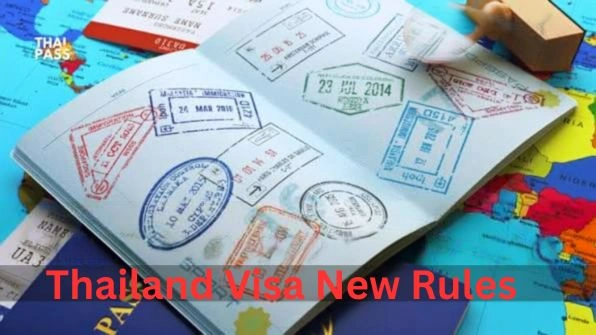
If you've been to Thailand before and are planning to go again, don't assume the process is exactly the same as last time. Thailand is one of the top destinations for Indian travellers year after year, and the Tourism Authority of Thailand (TAT) has repeatedly flagged India as one of its fastest-growing source markets.
With that kind of traffic, it's no surprise that Thai immigration has been tweaking its systems over the last couple of years.
Here's the short version of what's changed:
- Entry procedures have been updated at several checkpoints.
- Indian travellers should double-check visa requirements close to their travel date, not months in advance.
- Paper-based immigration processes are slowly giving way to digital systems.
- Officers may still ask for proof of accommodation, onward travel, and sufficient funds.
- Processing times and paperwork can differ depending on why you're travelling..
Everything Indians Need to Know Before Travelling
Before you book flights or start packing, it's worth spending ten minutes understanding where things currently stand with Thailand's visa rules. Policies shift more often than most people realise, and even a minor change like a new document requirement can throw off your plans if you find out about it at the airport.
A lot of travellers assume the process hasn't moved since their last trip. It has. Thailand has rolled out new procedures, added documentation checks, and pushed more of the process online.
Whether this is a quick holiday, a work trip, a honeymoon, or a family visit, knowing the current rules can save you from delays, rejected applications, or that sinking feeling at check-in when something's missing.
Below, we'll walk through what's changed, what Indian travellers specifically need to keep in mind, and how DU Global can take some of the hassle off your plate.
What Are the Thailand Visa New Rules?
In plain terms, these are the recent changes Thai immigration has made to how visas are applied for, processed and checked at the border. The broad goals behind them are:
- Tighter border security
- Quicker immigration clearance
- More digital processing
- Better verification of who's actually travelling
- A generally smoother visa process
Most travellers still find entry into Thailand fairly straightforward, but "fairly straightforward" still means checking the current requirements before you go, not relying on what worked last year.
Thailand New Visa Rules for Indian Travellers
What applies to you depends on the latest government notifications and why you're travelling. That said, here's what Indian passport holders are typically expected to have ready:
- Valid Passport: Six months of validity beyond your arrival date is the general rule of thumb.
- Confirmed Return Ticket: Immigration officers can and do ask for proof you're planning to leave.
- Hotel Booking: Confirmed accommodation for your entire stay, not just the first night.
- Financial Proof: Something showing you can actually afford the trip. This usually means:
Recent bank statements
Cash on hand
A working debit or credit card - Travel Itinerary: A rough plan of where you're going and when helps if you're questioned at the border.
- Travel Insurance: Not always compulsory, but strongly worth having anyway.
Thailand Tourist Visa Changes Explained
A few things stand out among the recent updates:
- More digital systems: Thailand keeps expanding its online immigration services, cutting down on physical paperwork.
- Faster processing: Streamlined procedures mean less waiting around for many applicants.
- Tighter verification: Authorities are checking documents more closely before approving applications.
- Better border security: The upside of stricter checks is that genuine travellers often move through faster, while fraudulent applications get caught earlier.
Rules Before and After the Latest Changes
|
Before |
After |
|
Mostly paper-based |
Mostly digital |
|
Manual checks |
Faster electronic verification |
|
Limited online options |
Expanded online applications |
|
Lighter document checks |
Deeper background and document review |
|
Traditional processing |
More technology-driven processing |
The process is still manageable for eligible applicants, it just rewards people who show up with accurate, complete paperwork.
Do Indians Need a Thailand Visa?
This is probably the question we hear most, and honestly, there's no single answer that holds forever. It depends entirely on whatever visa exemption or temporary travel policy is active at the time you're flying.
Thailand revisits these arrangements periodically, so what applied six months ago might not apply now.
The safest approach: check your eligibility close to your travel date, and if you do need a visa, apply with plenty of lead time.
What are the Documents Required Under the New Rules?
Here's what applicants generally need to have on hand:
- Passport: Valid, with enough time left on it
- Visa application form: Filled out carefully, no shortcuts
- Passport photograph: Recent, meeting the official spec
- Flight reservation: Confirmed return or onward travel
- Accommodation proof: Hotel booking or an invitation letter
- Financial documents: Bank statements, salary slips, income proof
- Employment documents (if applicable): Leave approval, employment certificate, or business registration
How to Apply?
- Figure out whether you actually need a visa for your trip.
- Pick the right category: tourist, business, medical, or transit.
- Gather your documents.
- Make the application through the proper channel.
- Pay the visa fee.
- Track the application status.
- Get your visa sorted before you fly.
What are the Common Reasons for Applications Delayed?
Most delays are avoidable. The usual culprits:
- Incorrect passport details
- Incomplete forms
- Missing bank statements
- Low-quality photos
- Hotel bookings that don't hold up to scrutiny
- Passports with too little remaining validity
- Applying at the last minute
A careful once-over of your documents before submission catches most of these.
A Quick Example
Rahul, from Mumbai, was planning a family trip to Phuket and figured the paperwork would be identical to his last visit. It wasn't. Once he looked into the current rules, he found a few new documentation requirements and an extra verification step he hadn't dealt with before.
He adjusted his application accordingly, and the family's visas came through without a hitch. Small lesson, but a useful one — always check before you assume.
Why Does Staying Updated Actually Matters?
Rules change more than people expect, even for a country you've visited a dozen times. Keeping current on the requirements helps you:
- Skip last-minute surprises
- Lower your chances of rejection
- Get your documents right the first time
- Plan travel with more confidence
- Have an easier time at arrival
Tips for a Smoother Application
- Apply early, don't wait until the week before.
- Go through every document twice.
- Check your passport's remaining validity.
- Keep both printed and digital copies.
- Have your financial records ready to go.
- Confirm your hotel booking is solid.
- Get travel insurance.
- Keep an eye on official immigration updates.
Why Work With DU Global for Your Thailand Visa?
Keeping up with immigration changes isn't always straightforward, especially when rules shift without much warning. DU Global handles the process for travellers who'd rather not chase down every update themselves. Their team helps with:
- Checking your visa eligibility
- Verifying your documents
- Preparing the application itself
- Appointment guidance where needed
- Tracking your application
- Full end-to-end support
- Keeping you informed on policy changes
Whether you're headed to Thailand for a holiday, work, medical treatment, or to see family, DU Global aims to make the visa side of the trip a lot less stressful.
Final Thoughts
Checking the current Thailand visa rules before you travel isn't just due diligence, it's one of the easiest ways to avoid a headache later. Requirements keep evolving, and what worked on your last trip isn't guaranteed to work on this one.
Whether you're going for leisure, work, or medical reasons, it pays to look into the latest rules for Indian travellers, understand what's changed, and keep half an eye on future updates.
DU Global will also provide you with full support if you do not wish to deal with the paperwork yourself, from checking your eligibility to keeping tabs on your application so you can concentrate on the actual holiday rather than the paperwork.
FAQ
What are the Thailand visa new rules?
They cover updated documentation, expanded digital immigration systems, closer verification, and revised entry steps depending on your nationality and purpose of travel.
What do Indian travellers specifically need to know?
Check eligibility before booking. Depending on current policy, you may need a valid passport, proof of accommodation, financial documents, and a return ticket.
What's changed recently for tourist visas?
More digital processing, better document checks, faster applications, and generally tighter immigration procedures.
Is it worth using a visa assistance company?
You can apply on your own, but a service like DU Global cuts down on errors and keeps you current on whatever's changed most recently.
Also Read:
Thai Citizenship by Investment
Book a Free Consultation
Have questions? Fill out the form and our experts will get in touch.

Leave a Reply
Required fields are marked *